

TREEAMS is committed to planting long-term trees that will live for the next 50 and beyond. These trees are carefully selected to suit their environment, resist fire and enhance the beauty of the landscape. Inspired by our co-founder, Dr. Jane Goodall, we follow the TACARE method, a community-led approach to conservation developed by the Jane Goodall Institute. Tacare is built on a simple but powerful belief: the people who are most connected to their local environment are the ones best equipped to protect and restore it.
Tacare brings together local knowledge, scientific understanding and community-driven decision making to create solutions that benefit people, animals and the environment. Tacare results in solutions that are sustainable, equitable and rooted in local leadership.
TREEAMS has embraced the Tacare approach to create our list of recommended trees. We have consulted with leading tree experts in both the Palisades and Altadena, including Pacific Palisades Forestry Committee, Altadena Green, Palisades Historic Society, City Plants and others.
We have selected trees that meet the following criteria:
Fire resistant
Drought tolerant
Live for 50 plus years (ideally to 100 years)
Beautify our neighborhoods
Native or complimentary to California
Tree Selection Framework
Tree Selection Advisory Committee
David Card, Pacific Palisades Forestry Committee
Stephanie Landregan, Altadena Green
Carlos Campero, City Plants
Chantal Spanicciati
Kate Vernez
Julie Tanous
Our Trees.
Click on each image for details on each tree. Tree imagery is not our own; the copyright belongs to the creator.
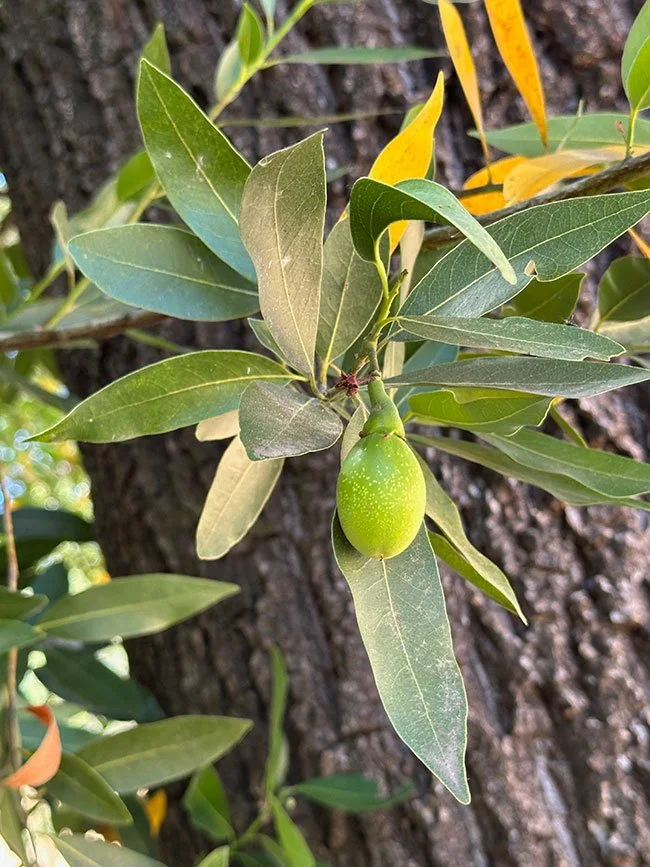
Bay Laurel (Umbellularia californica) Grows from Baja California to southwestern Oregon. Evergreen with pungently scented leaves. Yellowish-green flowers, olive-sized fruits that turn purple when ripe. Bay laurel is the sole member of its genus and the only native in the primarily tropical laurel family. It's fine-grained, honey-colored wood used in furniture, bowl turning, and carving.
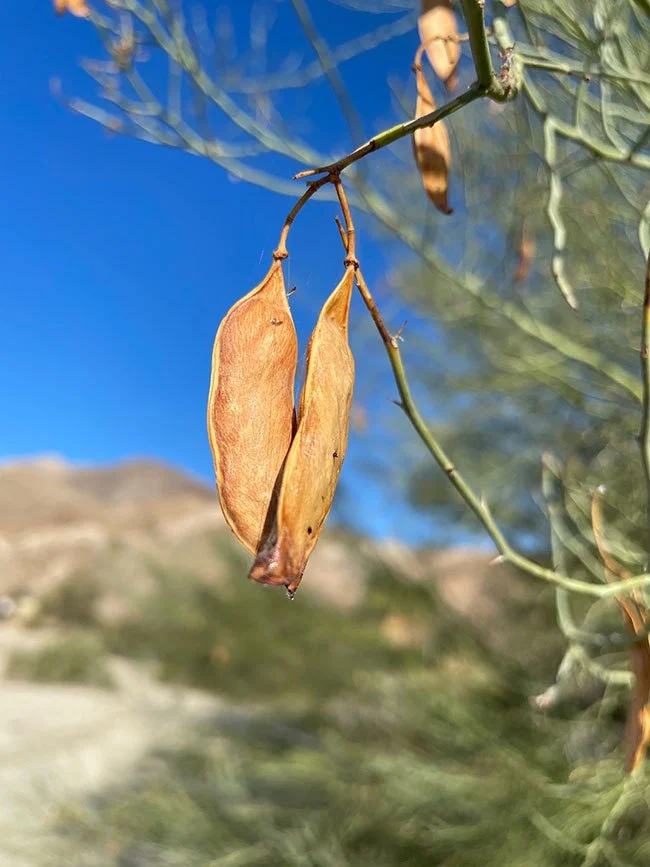
Blue Palo Verde (Parkinsonia florida) Drought-deciduous, golden-flowered shrubs and trees; native to hot deserts of Africa and the Americas. “Palo verde” means green stick in Spanish, alluding to how these picturesque small trees do much of their photosynthesis with their greenish-yellow bark while leafless. Showy, fragrant, yellow flowers with orange-spotted petals bloom in late spring and early summer.
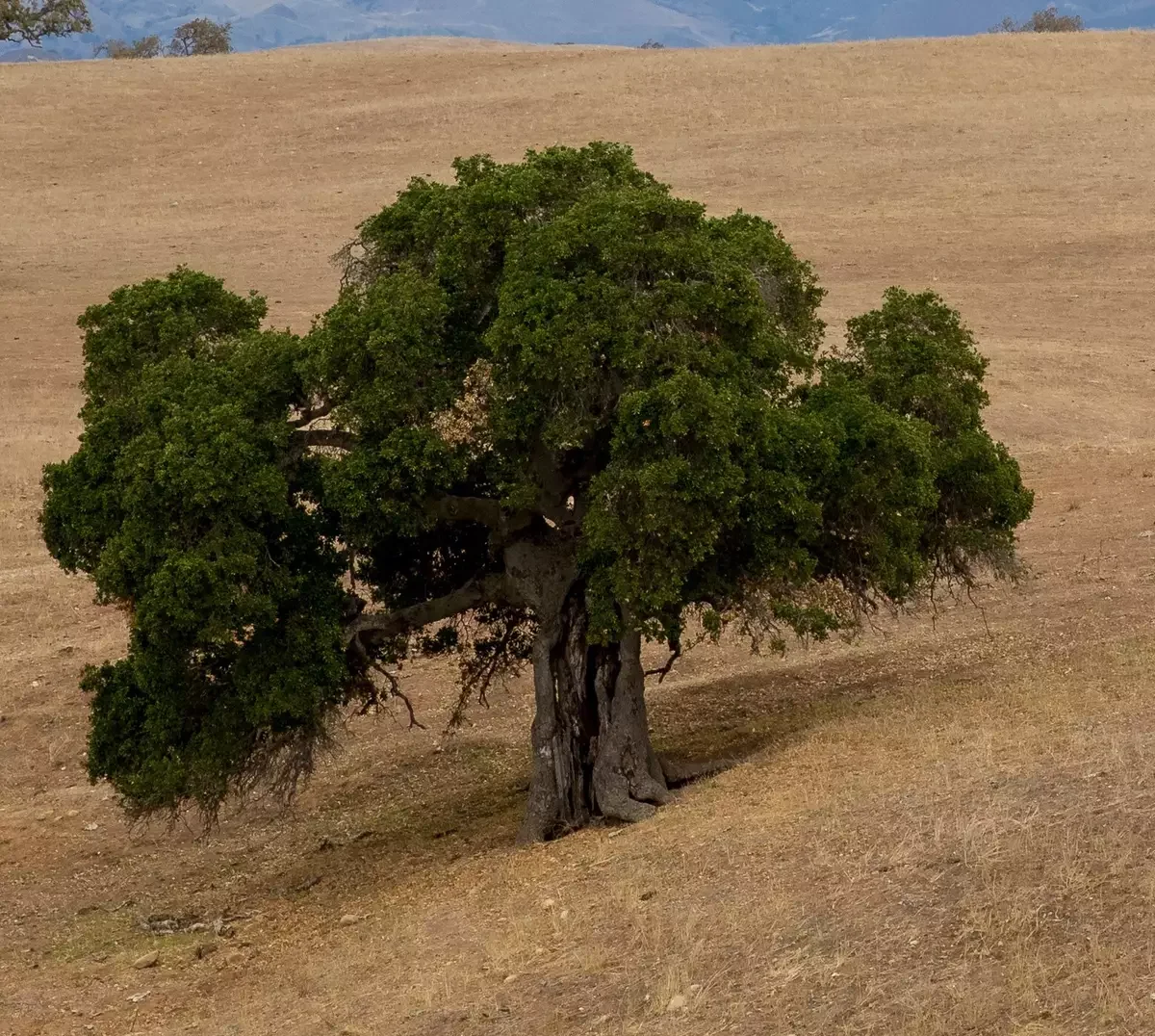
California Black Oak (Quercus kelloggii). Resilient, majestic oak that thrives in urban settings, Strong spreading canopy, Leaves turn striking red in fall, Deciduous, Provide vital food and habitat for wildlife, Fire adaptive, Symbol of renewal.
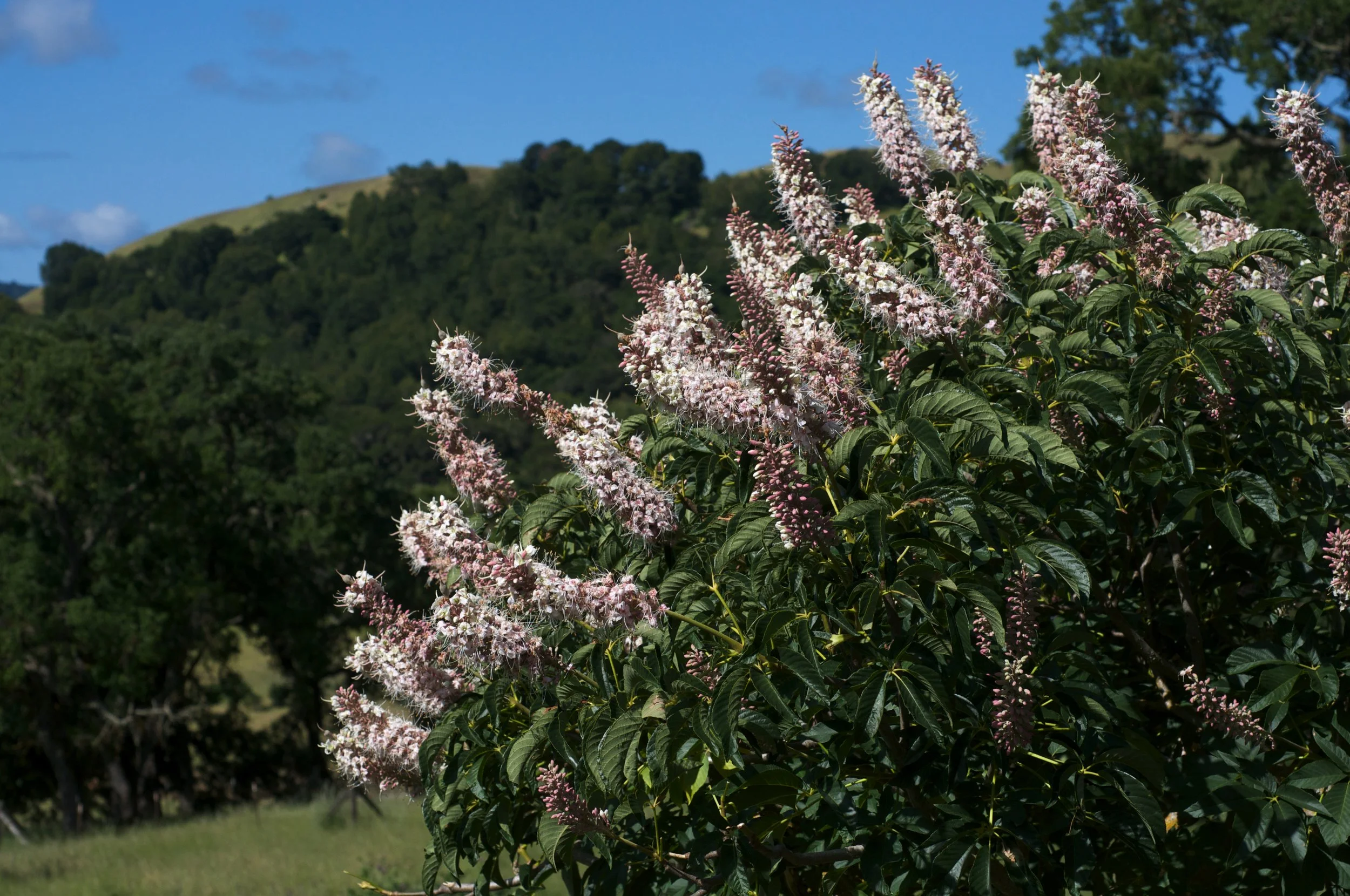
California Buckeye (Aesculus californica). Unique California native tree, Beautiful bark, Showy white to pale-pink flower spikes, Attracts bees, hummingbirds, and butterflies. Drops its leaves in summer to save water, Drought tolerant.
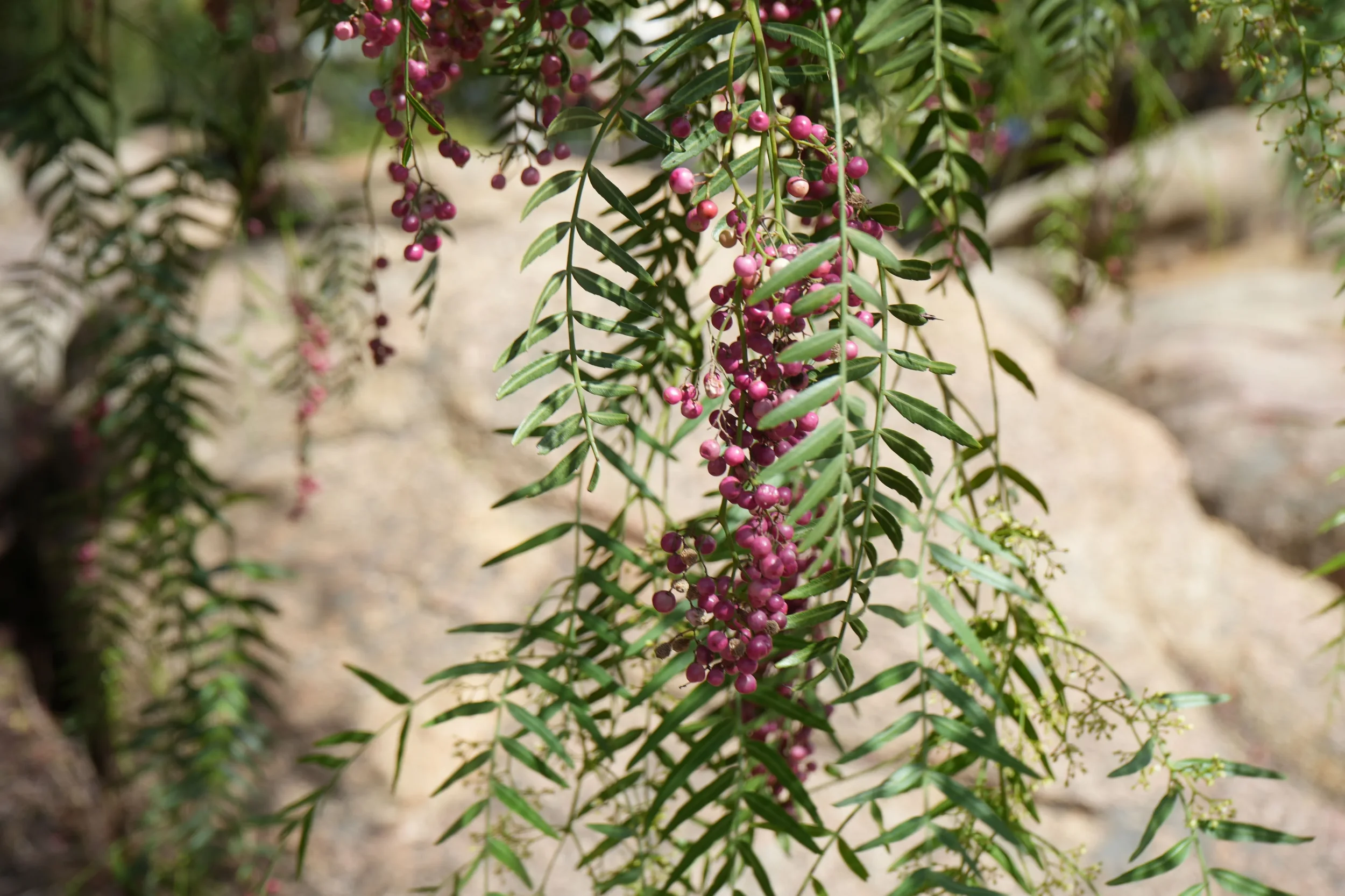
California Pepper Tree (Schinus molle). Graceful, drought-tolerant tree known for its feathery, weeping branches and bright pink berries, Native to South America, Provides lovely shade, Habitat for birds and pollinators, Evergreen.
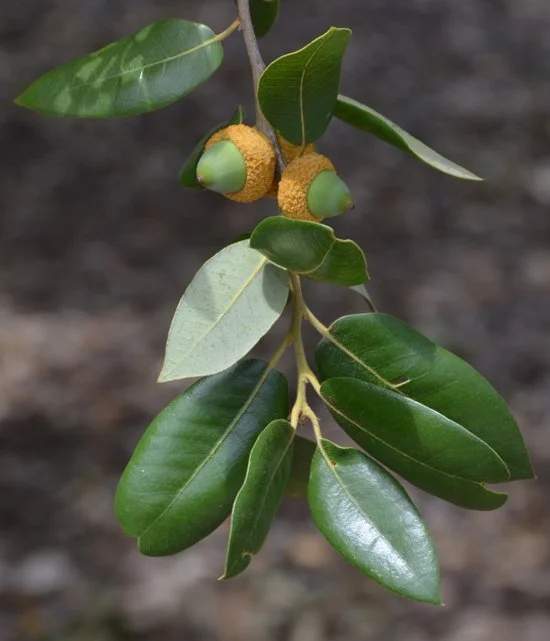
Canyon Live Aak (Quercus chrysolepis) Most widely distributed oak in California, from Baja CA, to southern Oregon and eastward into Arizona. Grows from a small shrub on exposed ridges to a massive tree in deep canyons, where it matures as one of the world’s largest oak species. Dark, evergreen canopy of leaves varying wildly in shape and size, often on a single branch.
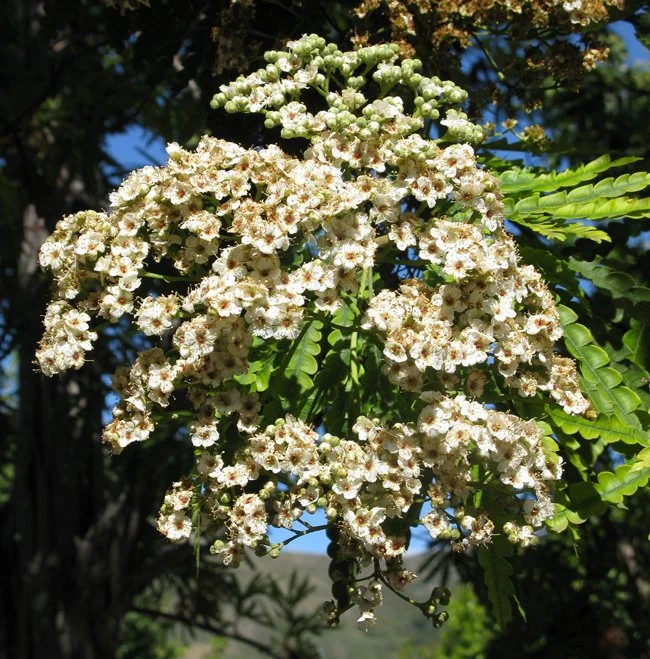
Catalina Ironwood (Lyonothamnus floribundas) Island ironwood, occurring natively only on the California Channel Islands. The sinuous bark peels with age, exposing smooth, cinnamon-colored new bark. Flat-topped clusters of white flowers are produced in spring and linger on the tree for months.

Catalina Island Cherry (Prunus ilicifolia ssp. lyonii). Rare, small native California tree, Glossy, dark green leaves, Evergreen, Produces white spring flowers that become deep red cherries feeding birds and wildlife, Drought tolerant.
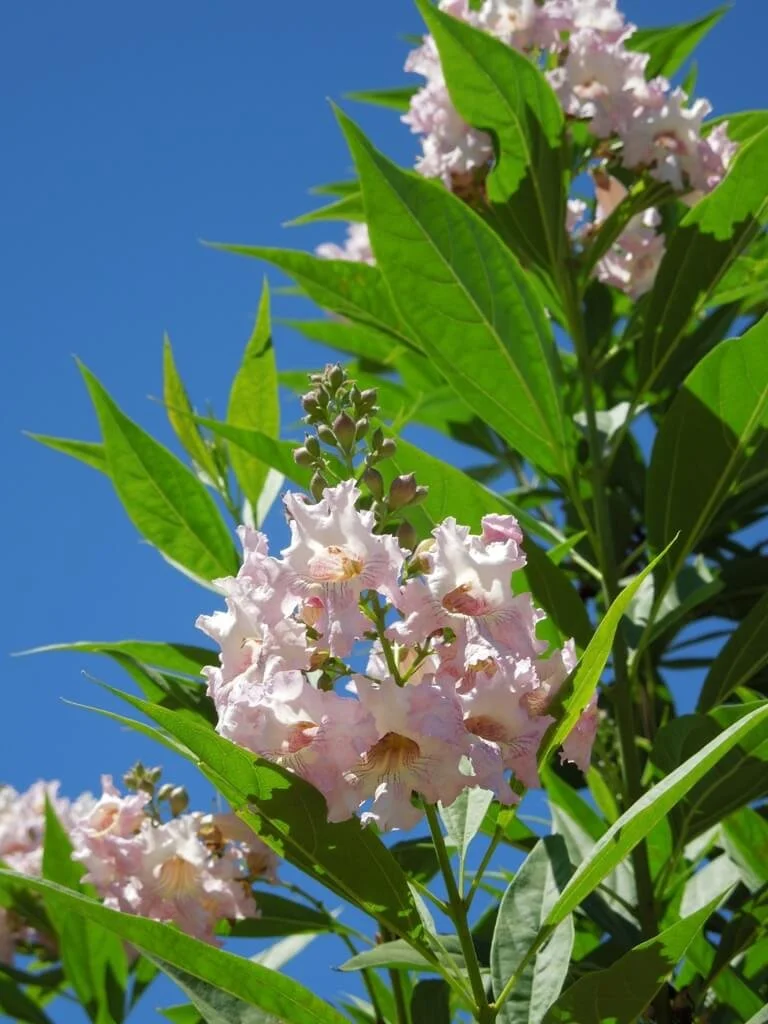
Chitalpa (Chitalpa tashkentensis). Small deciduous accent tree, Showy pink, white, or lavender trumpet-shaped flowers, Attracts bees, butterflies and hummingbirds, Drought tolerant and low maintenance.
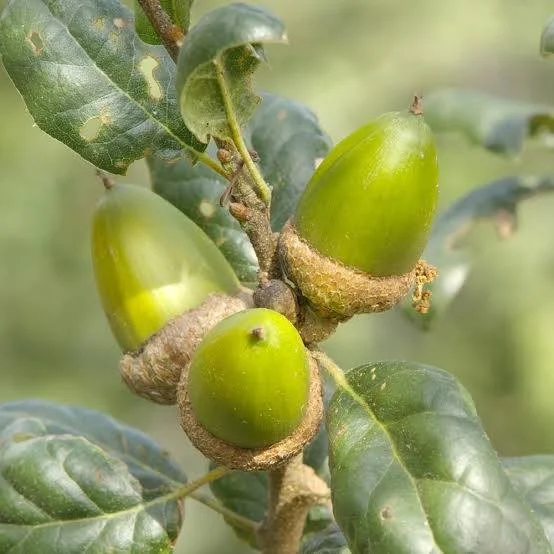
Coast Live Oak (Quercus agrifolia). Iconic native California tree, Evergreen, Large, beautiful canopy, Deep roots, Drought tolerant, Habitat for owls and birds, Symbolizes resilience and strength.
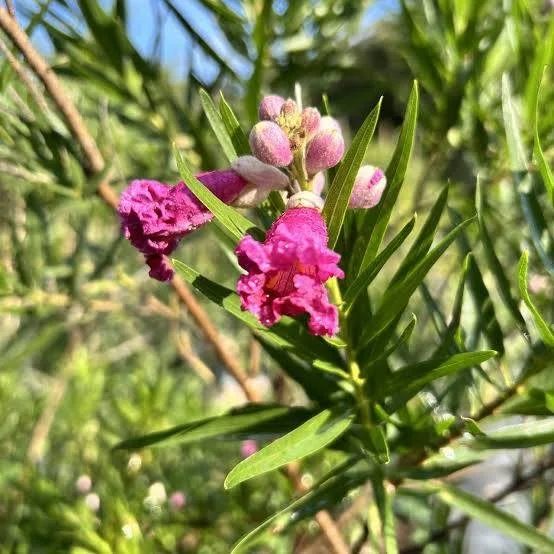
Desert Willow (Chilopsis linearis). Small elegant, flowering accent tree, Native to California, Trumpet shaped flowers of pink, purple or white, Blossoms are rich with nectar attracting pollinators, Highly drought tolerant.
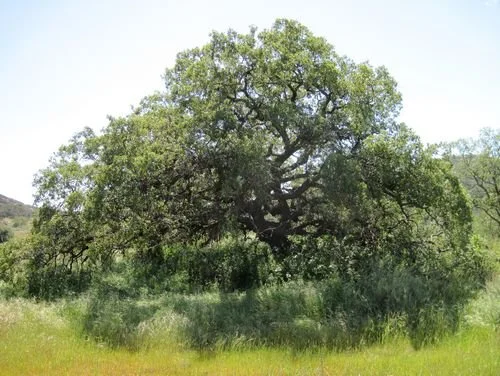
Engelman Oak (Quercus engelmannii). Rare, Southern California native oak, Soft, blue-green leaves, Low broad canopy provides cooling shade and habitat for wildlife, Slow-growing, Drought-tolerant, Long-lived.
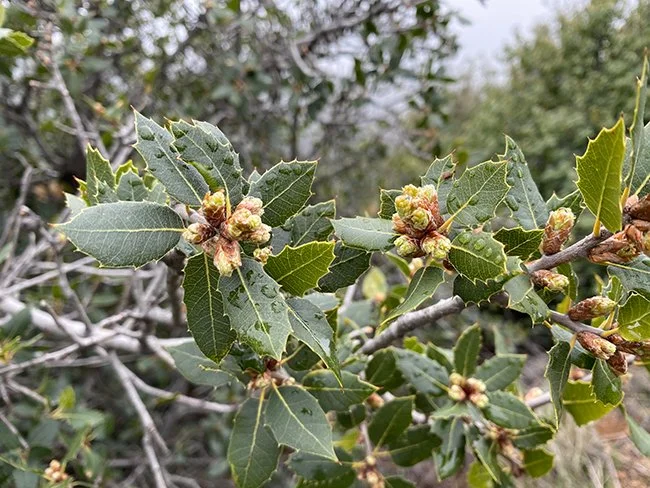
Interior Live Oak (Quercus wislizeniierior) A versatile and hardy evergreen, leathery, dark green leaves provide a dense canopy, offering ample shade. Its acorns are a favorite among local wildlife, adding to its ecological value. Its bark is deeply furrowed with a rugged and textured appearance. Drought-tolerant & practical for limited water availability. Its robust structure and minimal maintenance needs, make it well-suited for parks, streets, and residential yards.
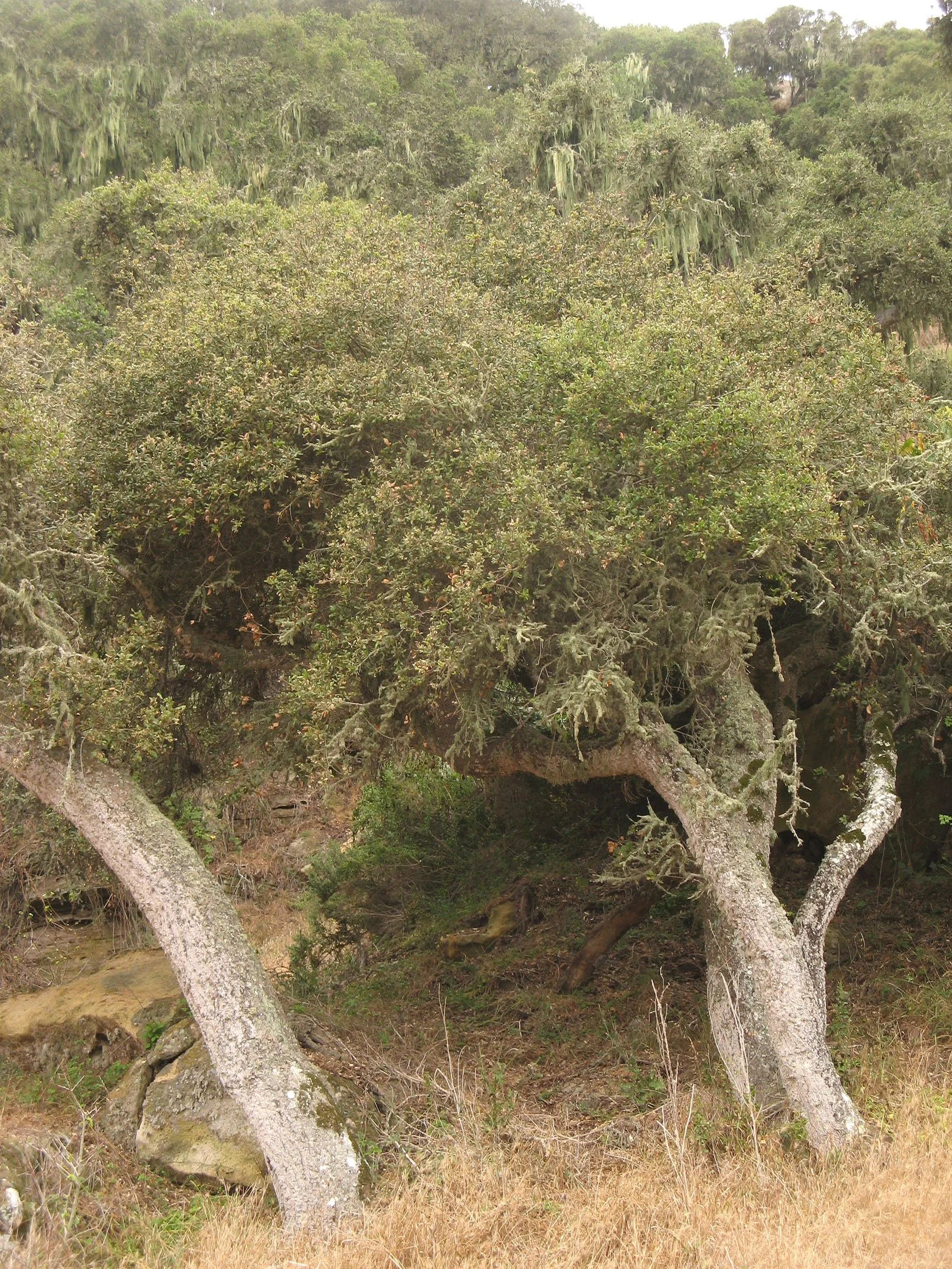
Island Oak (Quercus tomentella). Native California oak with large leaves, Grows naturally on Channel Islands, Tall and graceful with spreading canopy, Evergreen, Holds moisture in dry climates, Habitat for birds and wildlife.
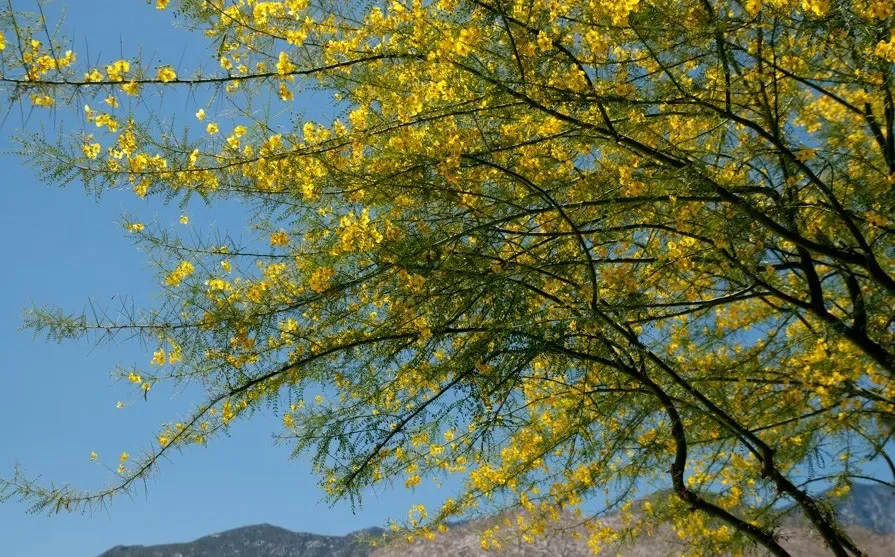
Jerusalem Thorn or Palo Verde (Parkinsonia aculeata)
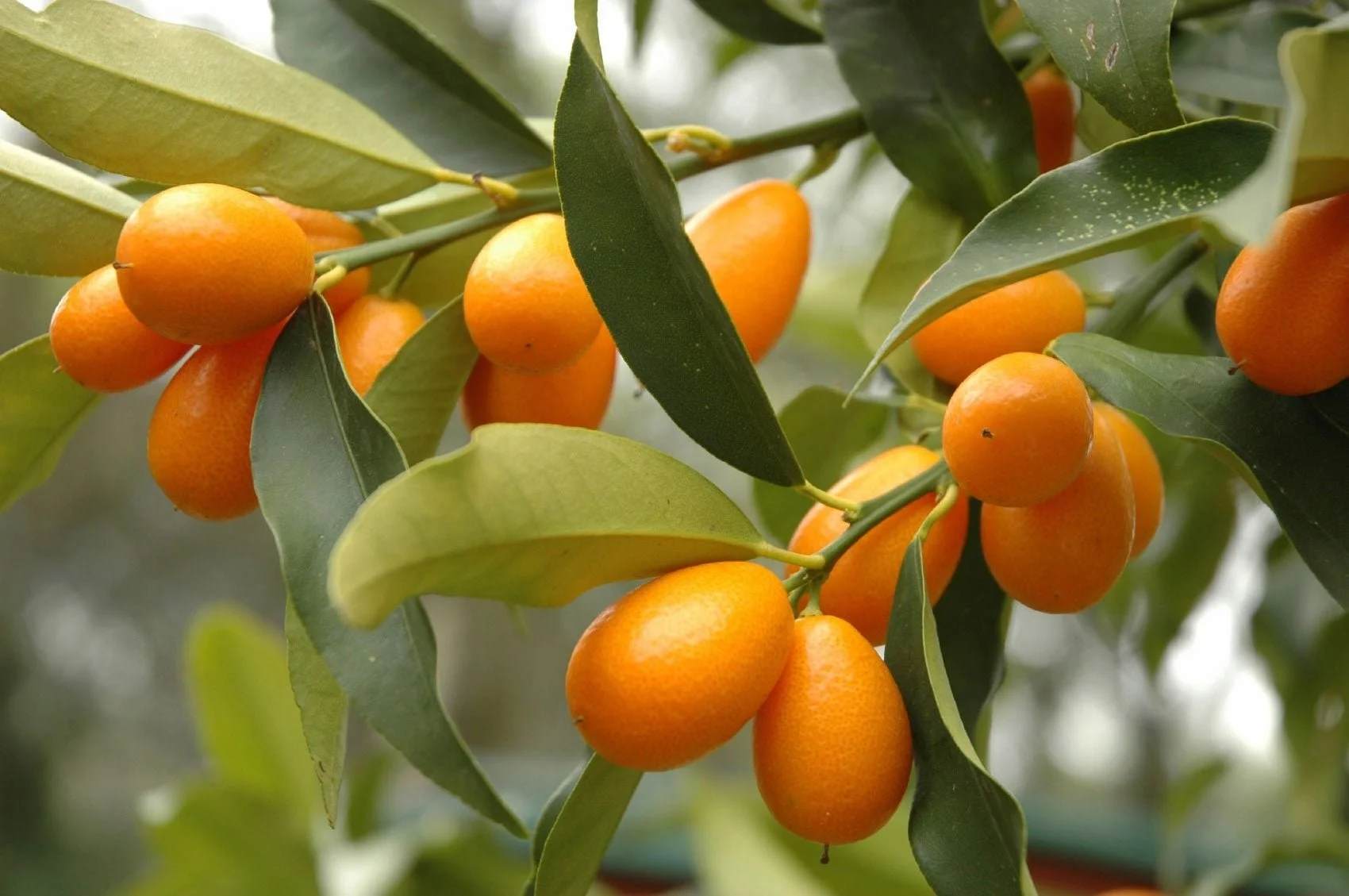
Kumquat (Citrus japonica). Small citrus tree with small, bright orange, sweet-tart fruits that can be eaten whole. Compact and evergreen, Fragrant white blossoms, Brings color in the winter.
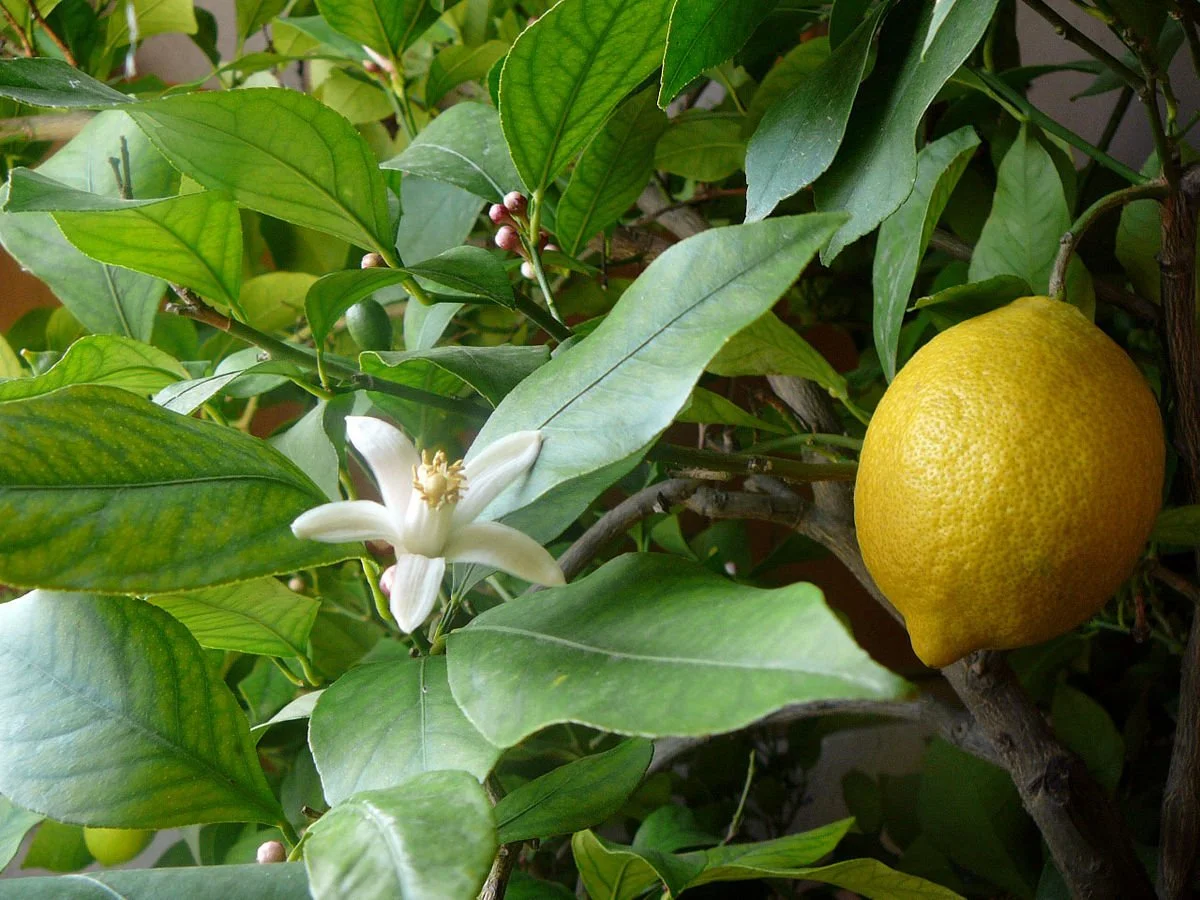
Lemon (Citrus limon). Classic Southern California fruit tree, Bright yellow fruit, Fragrant blossoms attract bees, Shiny evergreen leaves, Small to medium in size.
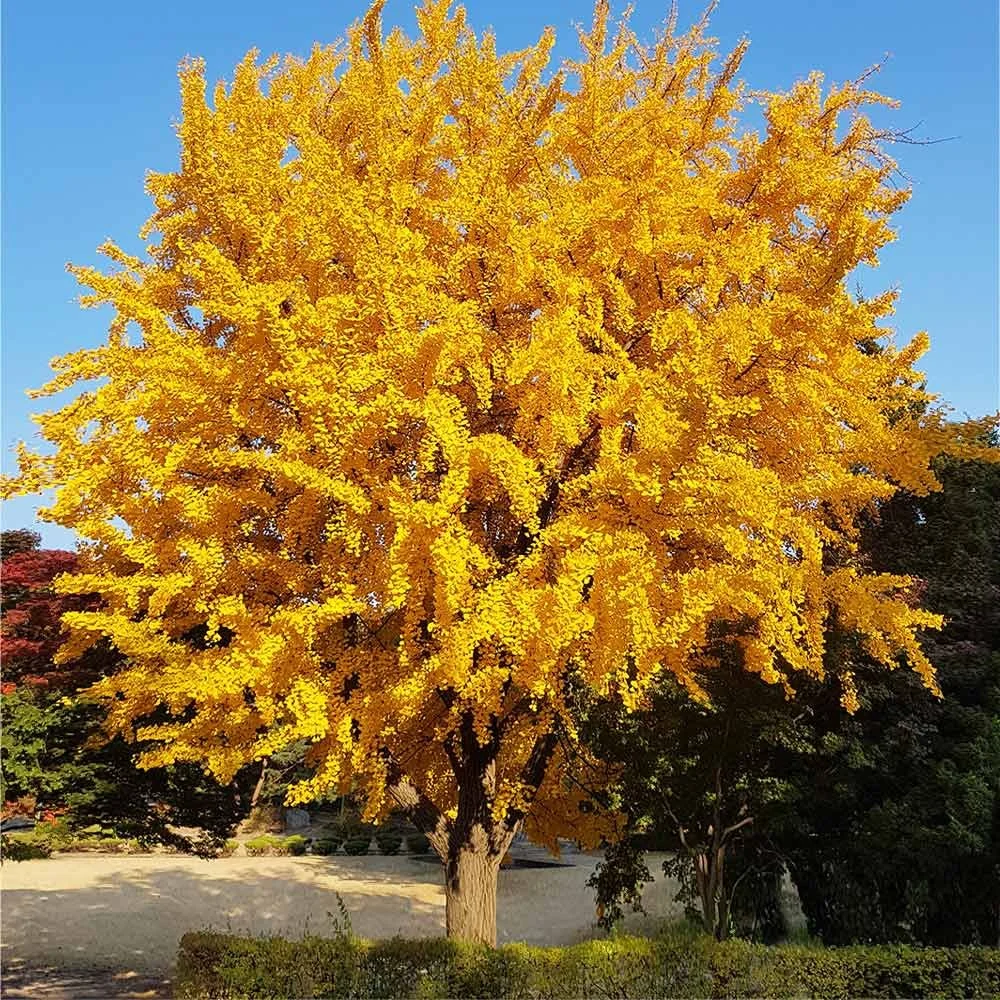
Maidenhair Tree (Ginkgo biloba). One of the world’s oldest species, Native to China, Known for golden yellow fan-shaped leaves, Beautiful canopy, Deciduous, Symbolizes resilience, Male trees have no odor.
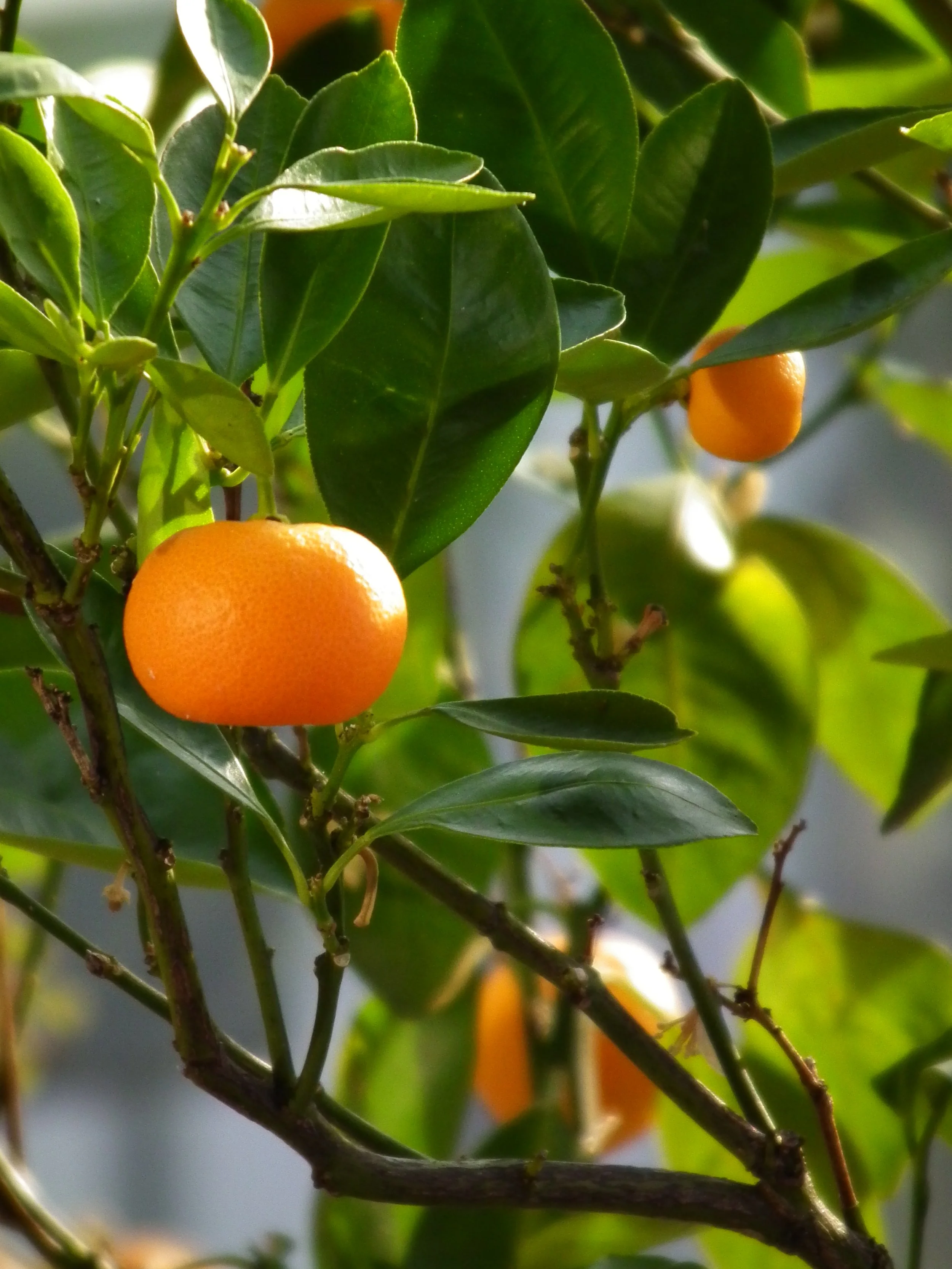
Mandarin (Citrus reticulata). Small citrus tree known for its easy-to-peel, bright orange, sweet and fragrant fruit, Glossy, deep-green leaves.
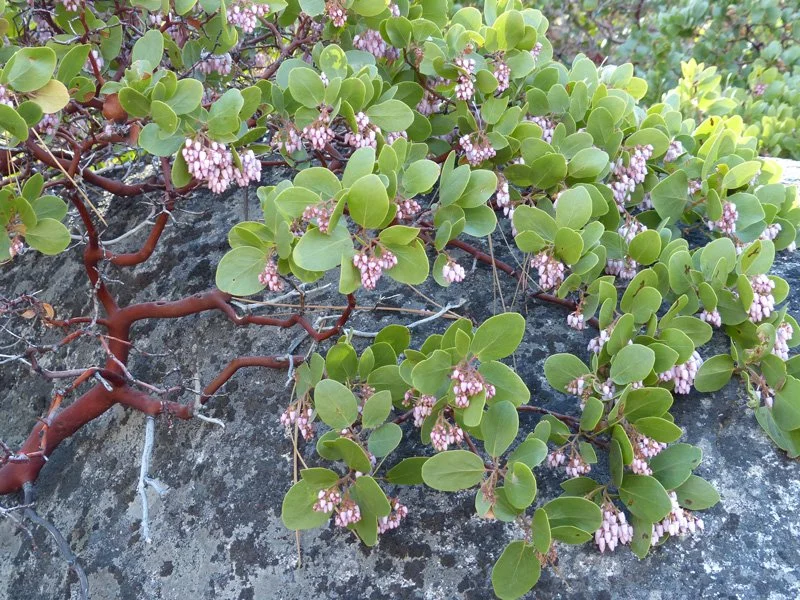
Manzanita (Arctostaphylos manzanita). Striking California native small tree, Smooth, deep red bark with structural shape, Evergreen, Bell-shaped pink or white flowers which become red berries, Drought tolerant, Attract pollinators, Provide food for wildlife, Resilient.
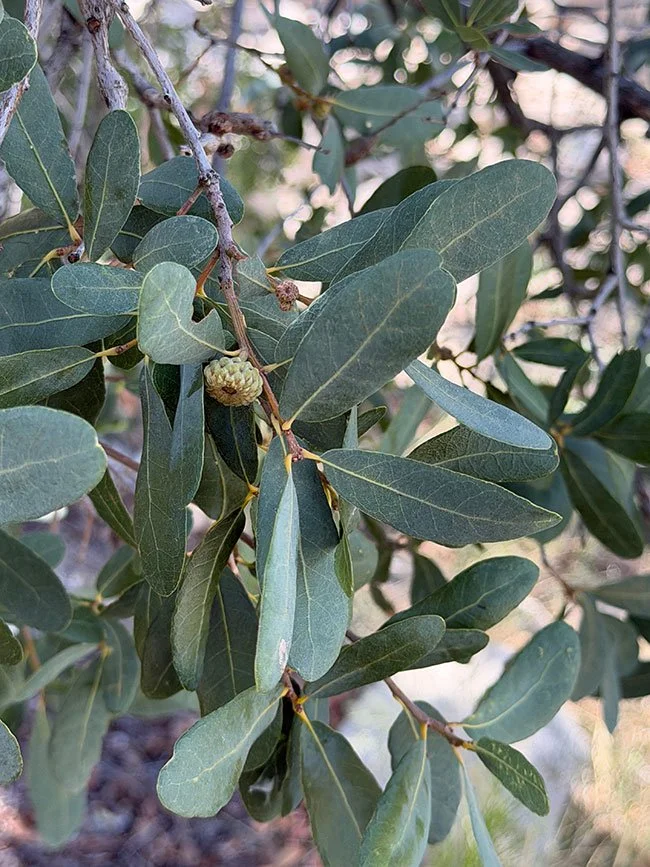
Mexican blue oak (Quercus oblongifolia Hardy evergreen oak adapted to drought, heat, fire, and alkaline soils. Valued primarily for its contorted, spreading branches and strikingly blue, waxy foliage. Its acorns are enjoyed by squirrels and birds. Resistant to sudden oak death and aphids; Thrives in humid coastal environments.
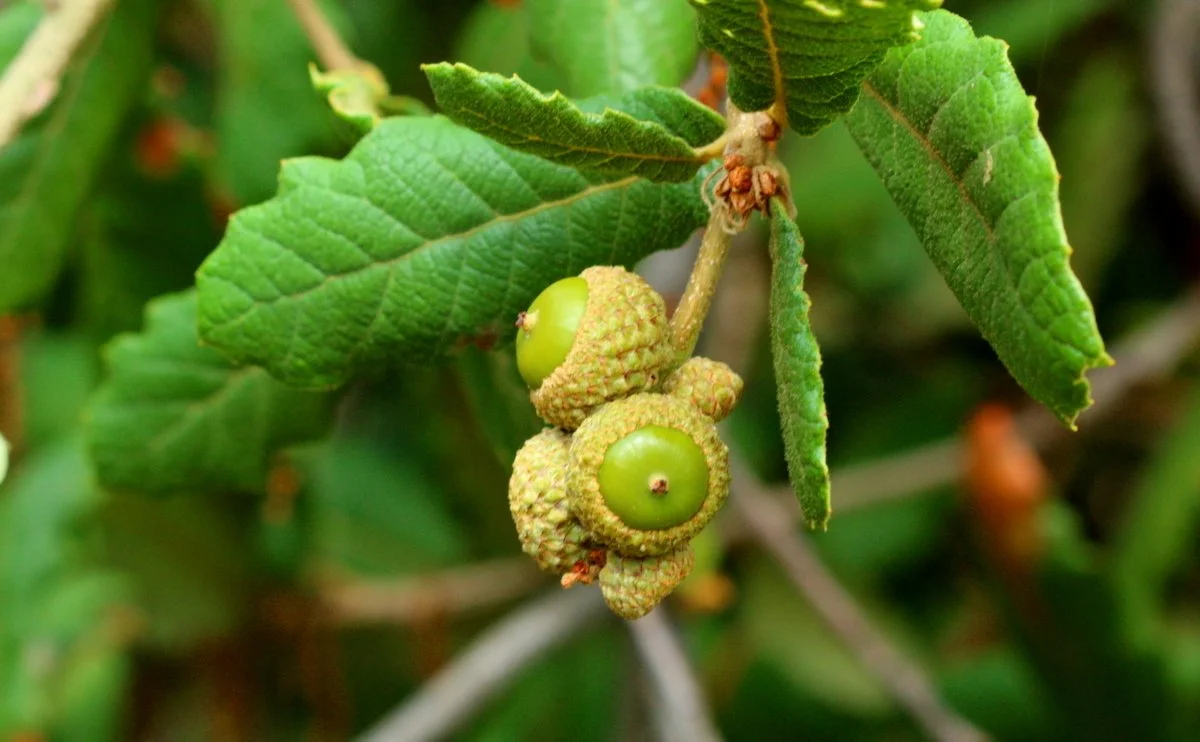
Netleaf Oak (Quercus rugosa). Sturdy oak with red new growth, Native to Southwestern US and Mexico, Evergreen, Adaptable to future climate, Filters pollutants, Provides shady habitat for birds and wildlife.
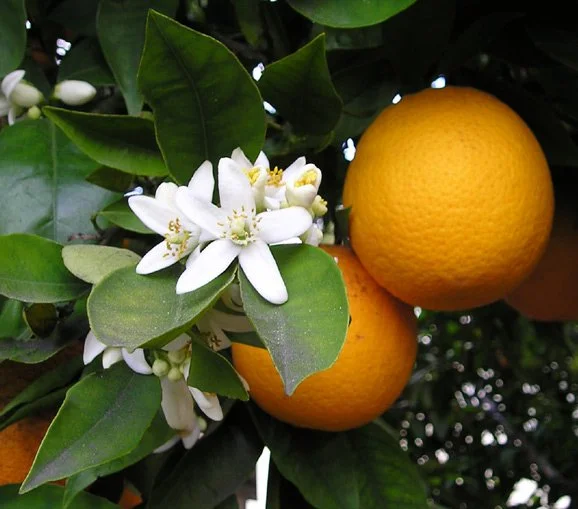
Orange (Citrus sinensis). Beloved California fruit tree, Glossy evergreen leaves, Fragrant white blossoms, Delicious oranges, Beauty, shade, and nourishment.
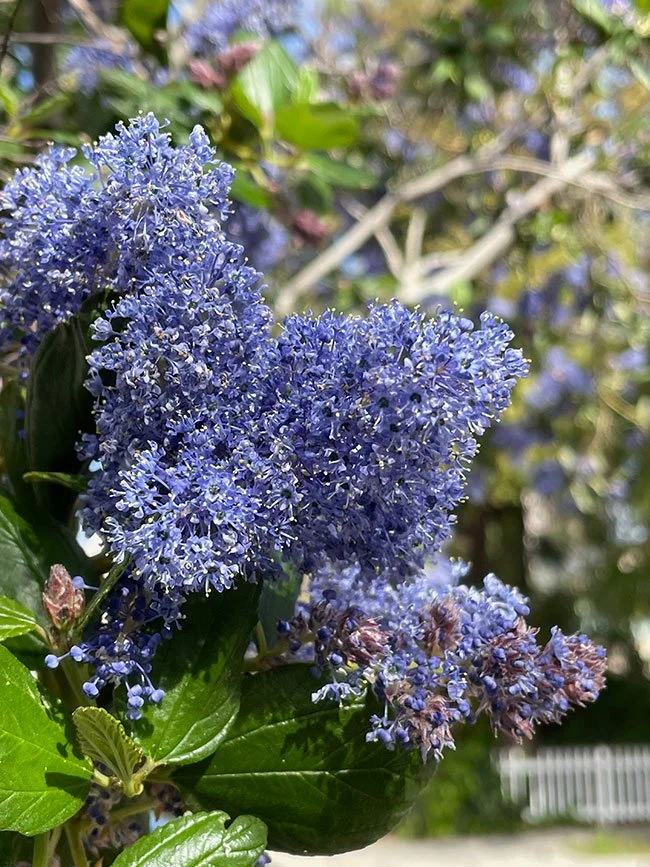
"Ray Hartman" (Ceanothus) Versatile and hardy addition to urban landscapes; known for its dense clusters of vibrant blue spring blooms. Grows as either a small tree or a large shrub, reaching heights of 10 to 20 feet. Attracts pollinators ( bees and butterflies), adding to its ecological value.
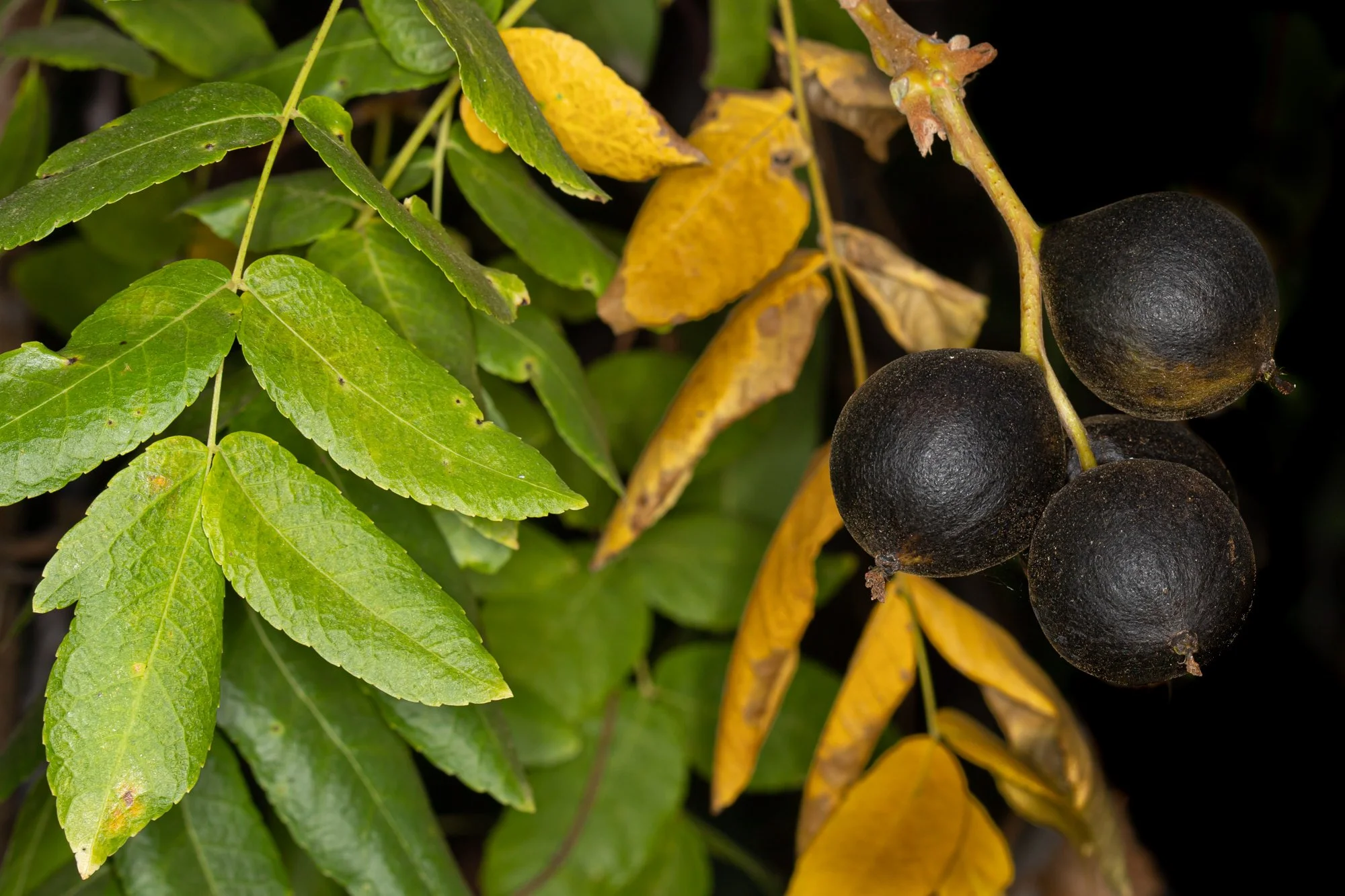
Southern California Black Walnut (Juglans californica). Rare, medium sized native tree found only in California, Creates dappled shade, Deciduous, Produces small walnuts that feed wildlife.
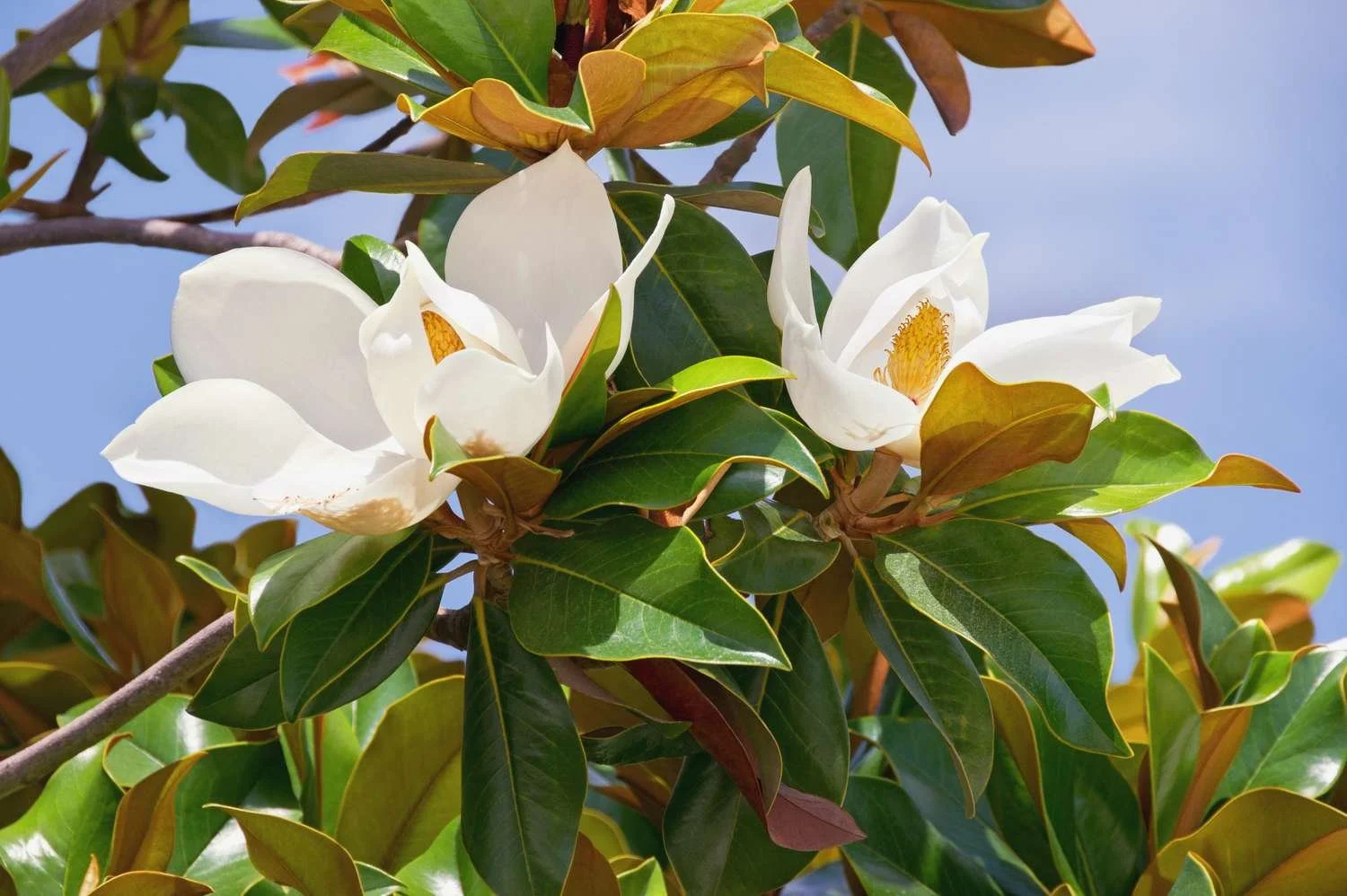
Southern Magnolia (Magnolia grandiflora)
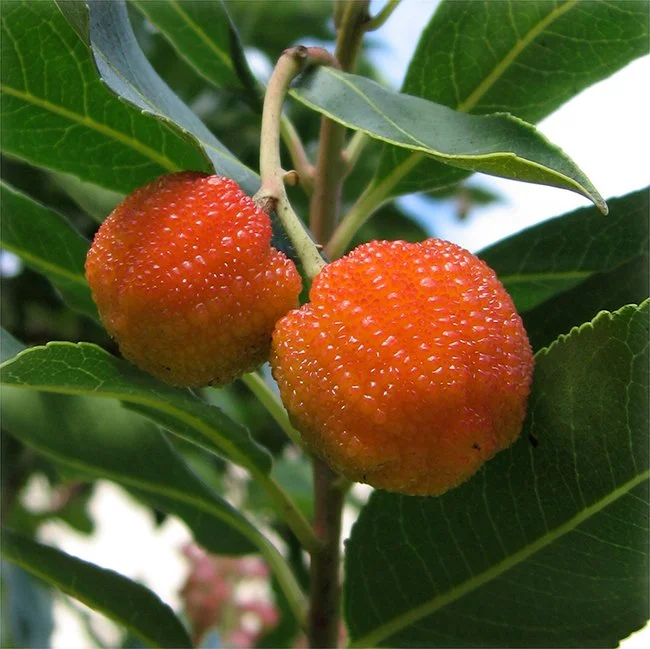
Strawberry Tree (Arbutus Marina) In addition to ornamental appeal, this tree is drought-tolerant once established, well-suited for California's dry climate. Its blossoms attract pollinators, making it a great choice for supporting local wildlife.
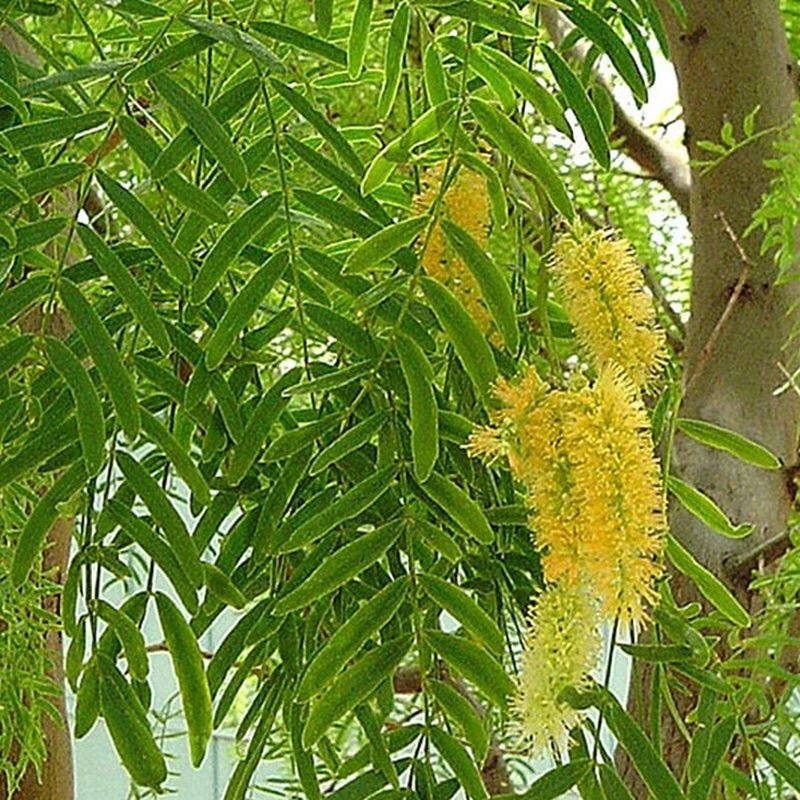
Thornless Honey Mesquite (Prosopis glandulosa 'Maverick'). Native California tree with fern-like leaves and airy canopy, Small yellow flowers attract birds and pollinators, Deciduous, Thrives in hot, dry climates, Drought tolerant.
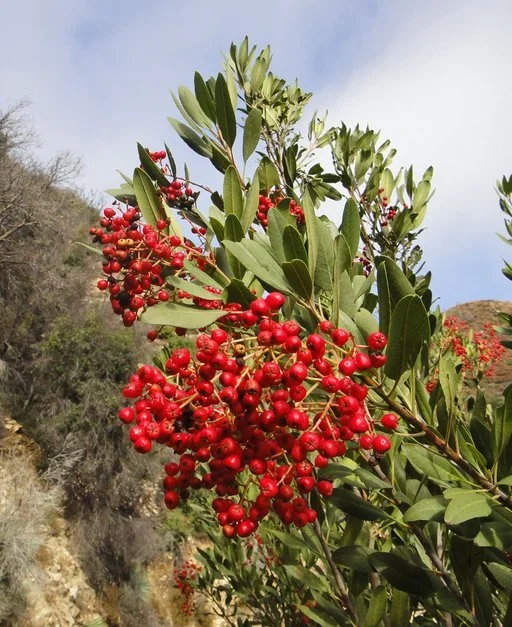
Toyon (Heteromeles arbutifolia). Native to California, Grows wild in Southern California parks, White flowers in summer, red berries in fall and winter, Evergreen, Drought tolerant, Feeds wildlife and attracts pollinators.
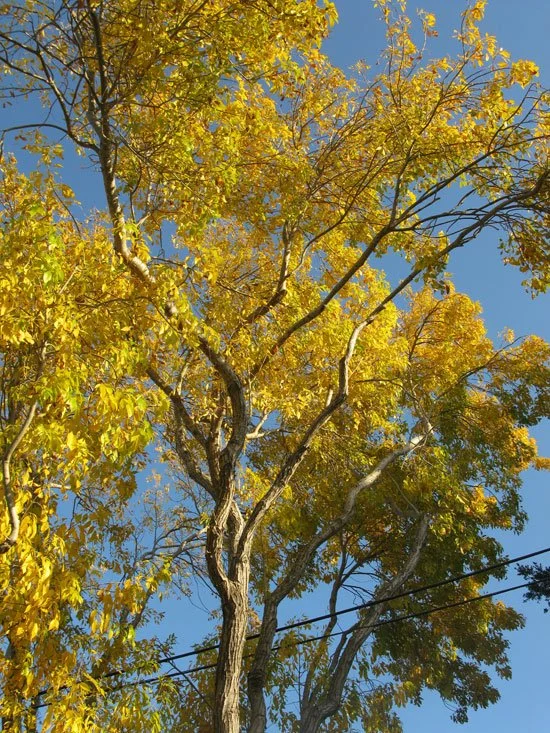
Velvet ash (Fraxinus velutina) Deciduous tree native to the southwestern United States & northwestern Mexico; commonly found in canyons, along perennial streams, in woodlands, and in desert washes. Velvety leaves and young shoots, often cultivated as a fast-growing shade and street tree in arid landscapes, valued for their adaptability to urban environments and tolerance of air pollution; becomes increasingly drought-tolerant with age.
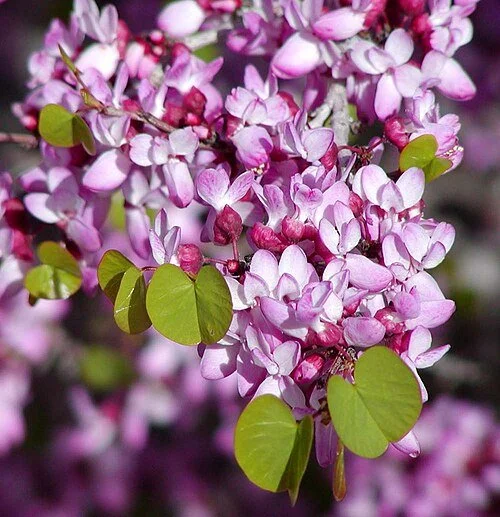
Western Redbud (Cercis occidentalis). Small, stunning California native, Brilliant pink blossoms, Heart shaped green leaves turn golden yellow in the fall, Deciduous.
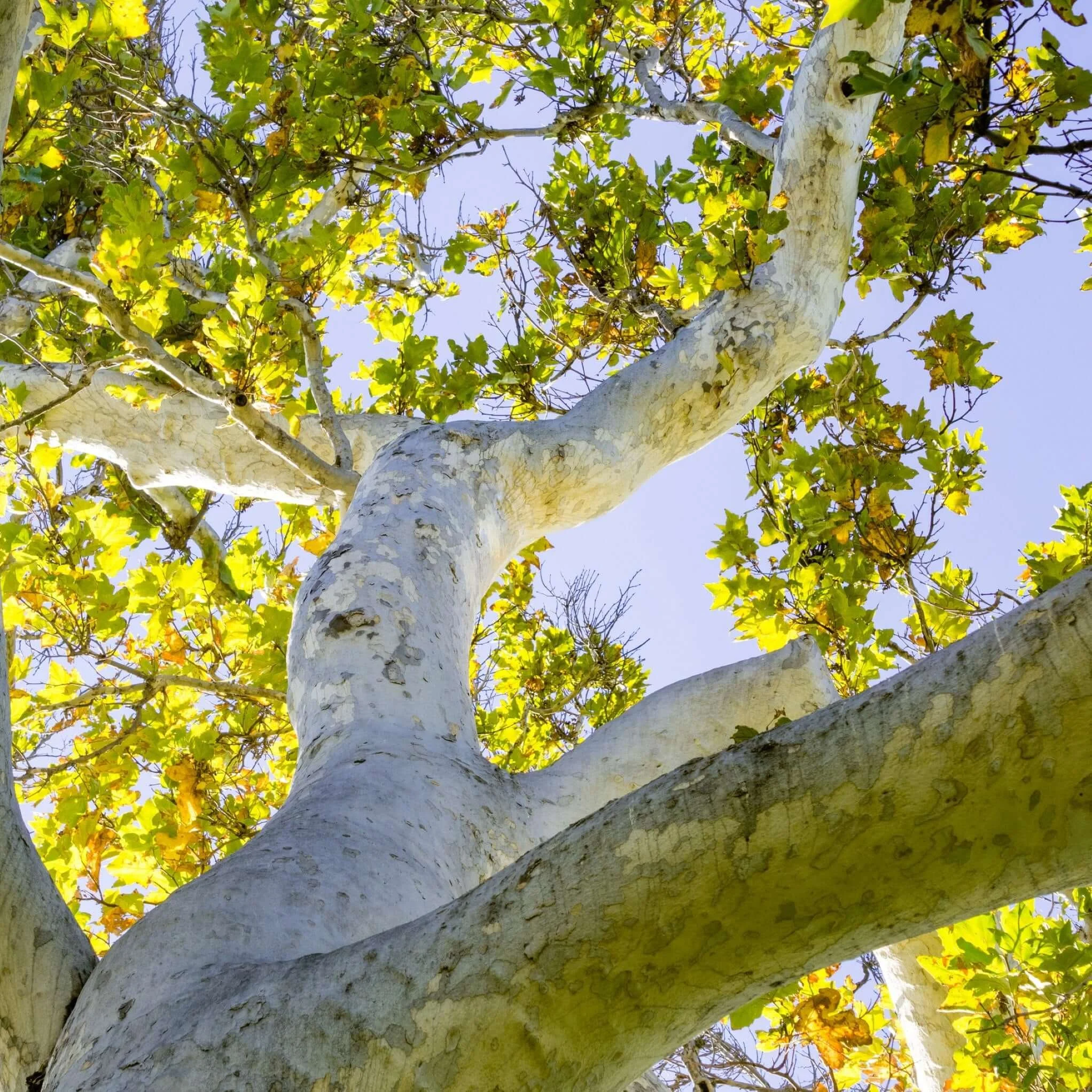
Western Sycamore (Platanus racemosa). Large native California tree known for striking, mottled bark and broad, spreading canopy, Leaves turn beautiful golden hue in the fall, Deciduous, Likes to be near a water source.