

TREEAMS is committed to planting long-term trees that will live for the next 50 and beyond. These trees are carefully selected to suit their environment, resist fire and enhance the beauty of the landscape. Inspired by our co-founder, Dr. Jane Goodall, we follow the TACARE method, a community-led approach to conservation developed by the Jane Goodall Institute. Tacare is built on a simple but powerful belief: the people who are most connected to their local environment are the ones best equipped to protect and restore it.
Tacare brings together local knowledge, scientific understanding and community-driven decision making to create solutions that benefit people, animals and the environment. Tacare results in solutions that are sustainable, equitable and rooted in local leadership.
TREEAMS has embraced the Tacare approach to create our list of recommended trees. We have consulted with leading tree experts in both the Palisades and Altadena, including Pacific Palisades Forestry Committee, Altadena Green, Palisades Historic Society, City Plants and others.
We have selected trees that meet the following criteria:
Fire resistant
Drought tolerant
Live for 50 plus years (ideally to 100 years)
Beautify our neighborhoods
Native or complimentary to California
Tree Selection Framework
Tree Selection Advisory Committee
David Card, Pacific Palisades Forestry Committee
Stephanie Landregan, Altadena Green
Carlos Campero, City Plants
Chantal Spanicciati
Kate Vernez
Julie Tanous
Our Trees.
Click on each image for details on each tree. Tree imagery is not our own; the copyright belongs to the creator.
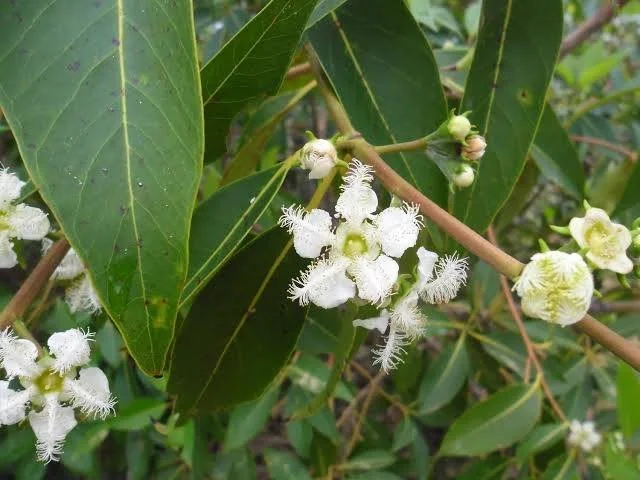
Brisbane Box (Lophostemon confertus). Sturdy evergreen tree native to Australia, Glossy green leaves, Small white flowers in spring and summer, Pollution resistant, Long lived.
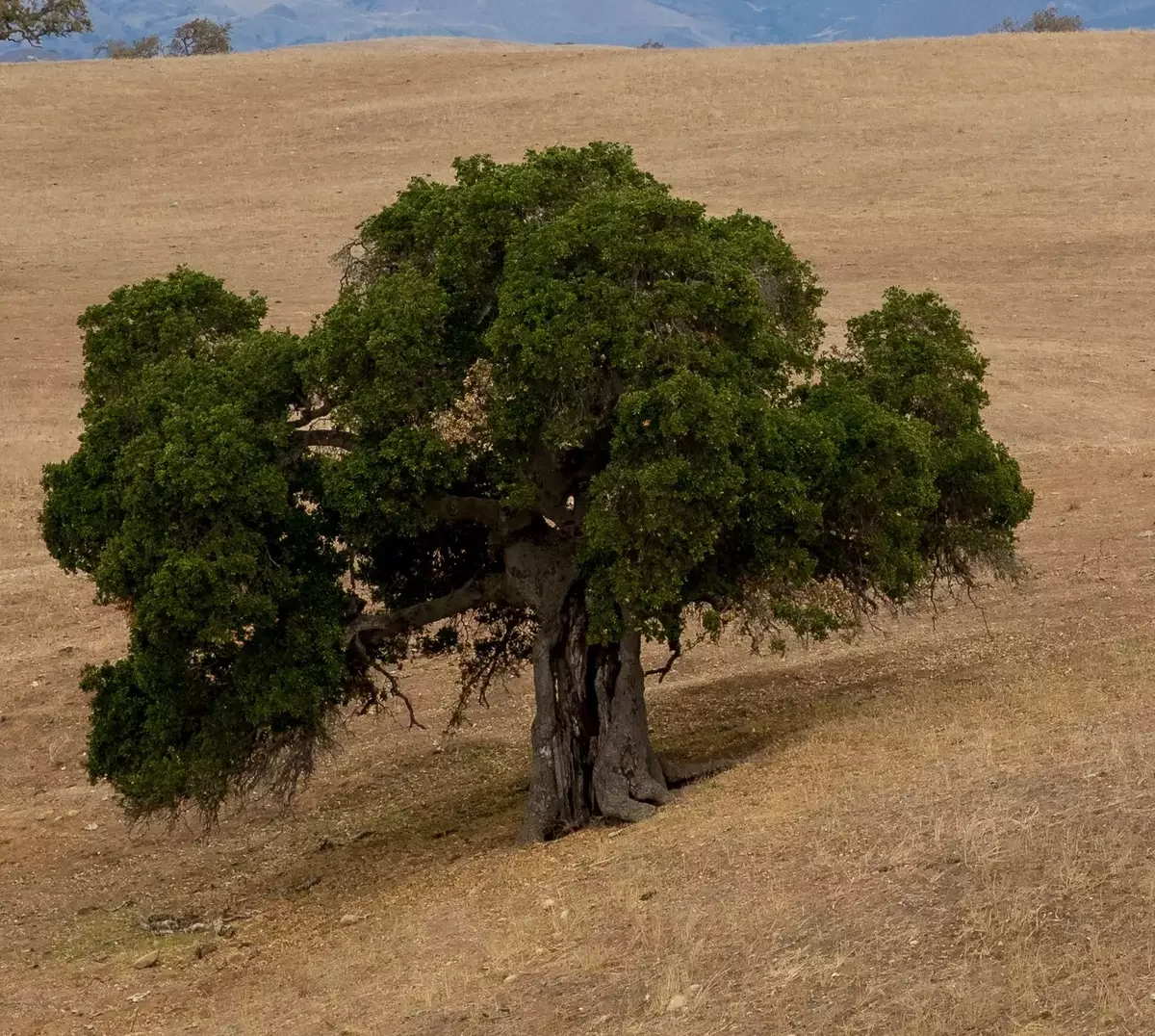
California Black Oak (Quercus kelloggii). Resilient, majestic oak that thrives in urban settings, Strong spreading canopy, Leaves turn striking red in fall, Deciduous, Provide vital food and habitat for wildlife, Fire adaptive, Symbol of renewal.
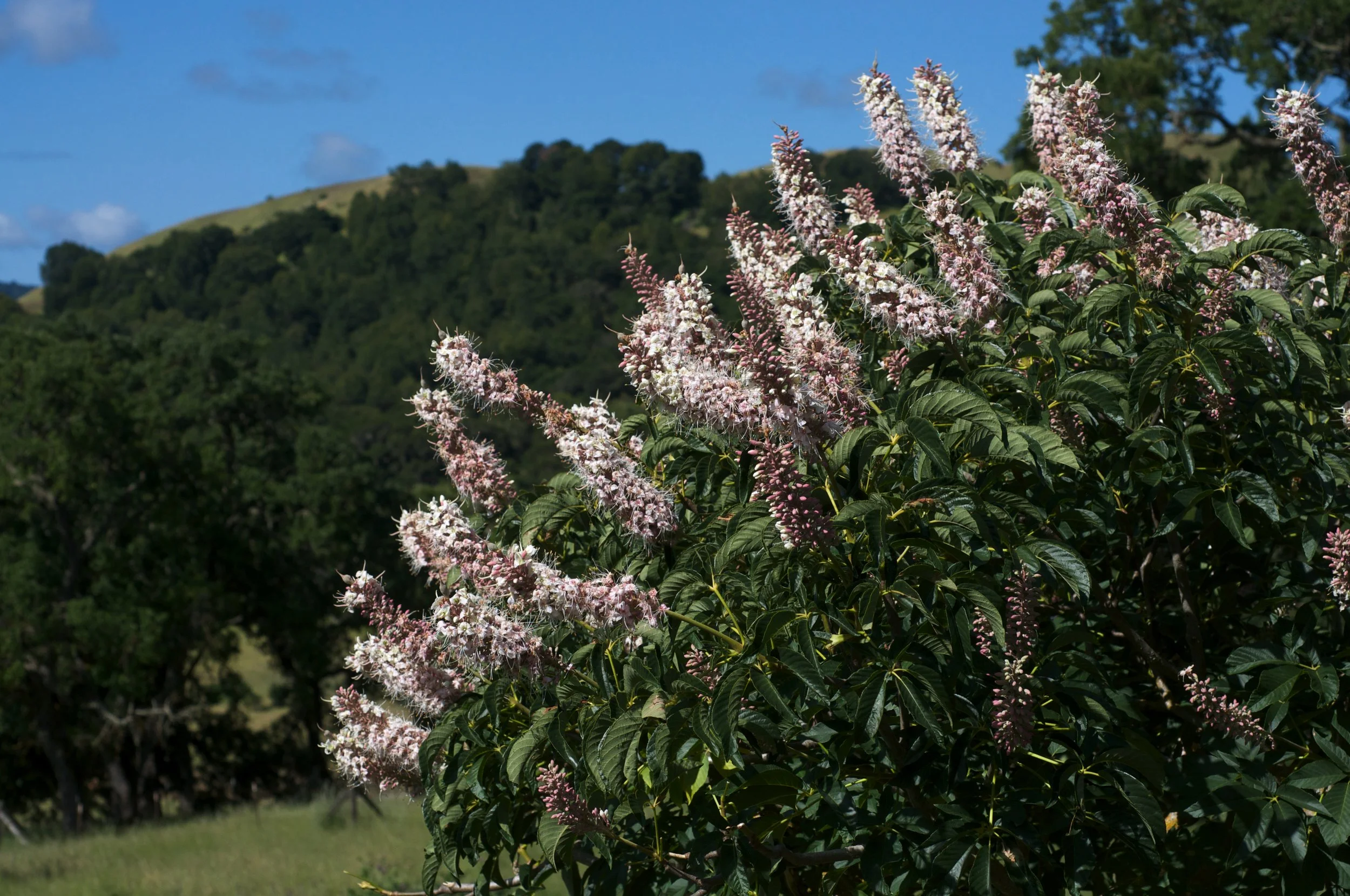
California Buckeye (Aesculus californica). Unique California native tree, Beautiful bark, Showy white to pale-pink flower spikes, Attracts bees, hummingbirds, and butterflies. Drops its leaves in summer to save water, Drought tolerant.
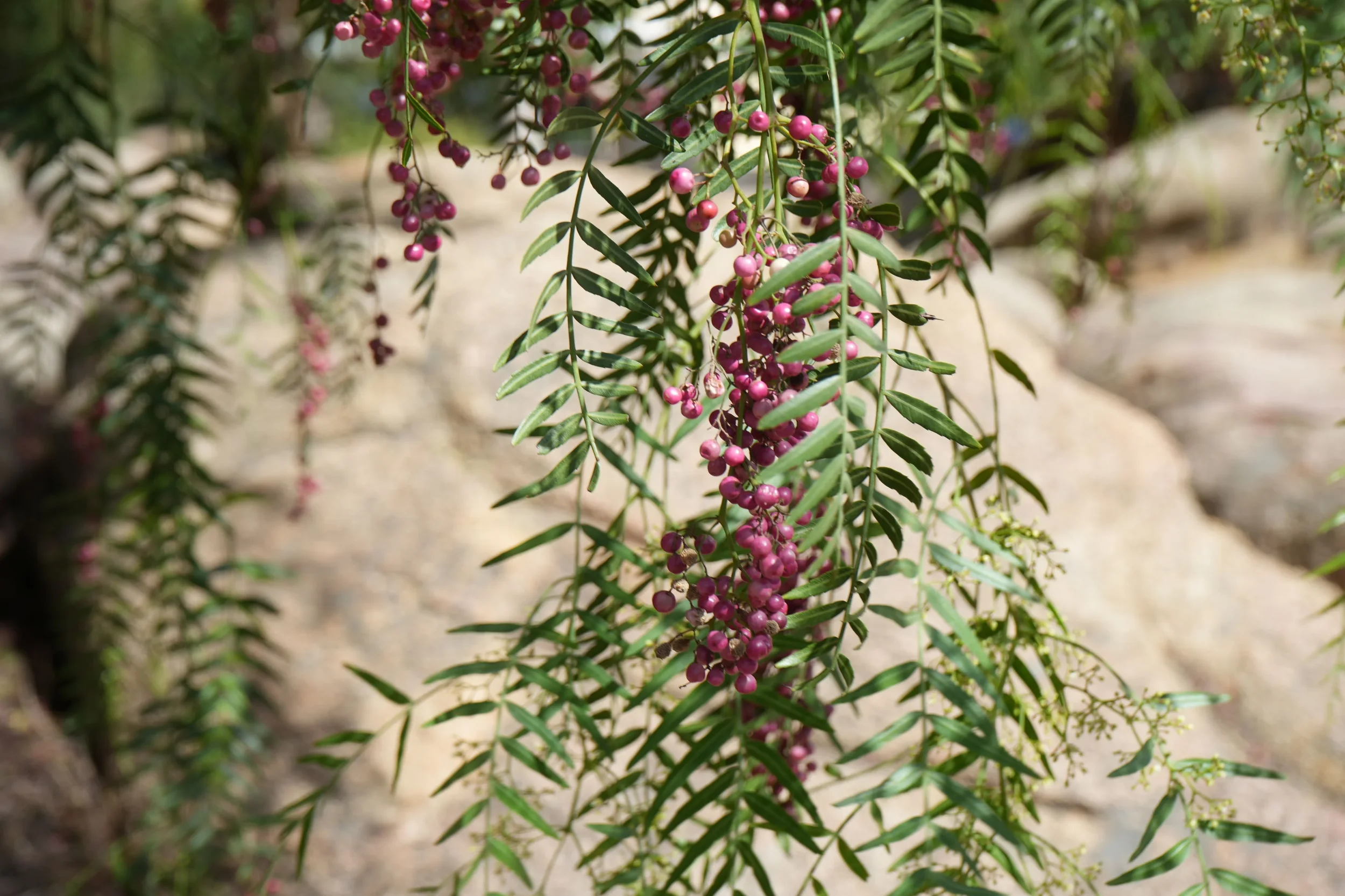
California Pepper Tree (Schinus molle). Graceful, drought-tolerant tree known for its feathery, weeping branches and bright pink berries, Native to South America, Provides lovely shade, Habitat for birds and pollinators, Evergreen.

Catalina Island Cherry (Prunus ilicifolia ssp. lyonii). Rare, small native California tree, Glossy, dark green leaves, Evergreen, Produces white spring flowers that become deep red cherries feeding birds and wildlife, Drought tolerant.
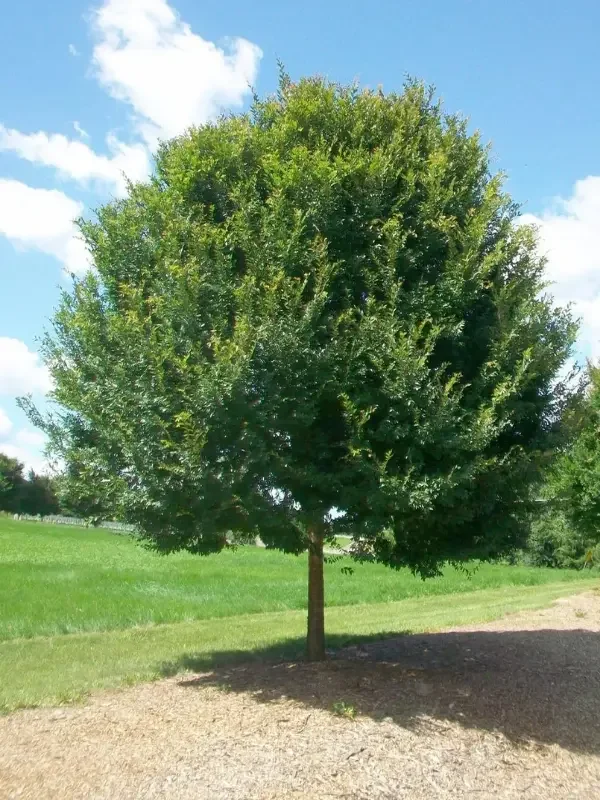
Chinese Elm (Ulmus parvifolia). Graceful, arching canopy, Beautiful mottled bark, Strong and fast growing, Native to China, Partly deciduous, Supports wildlife, Tolerant of urban conditions.
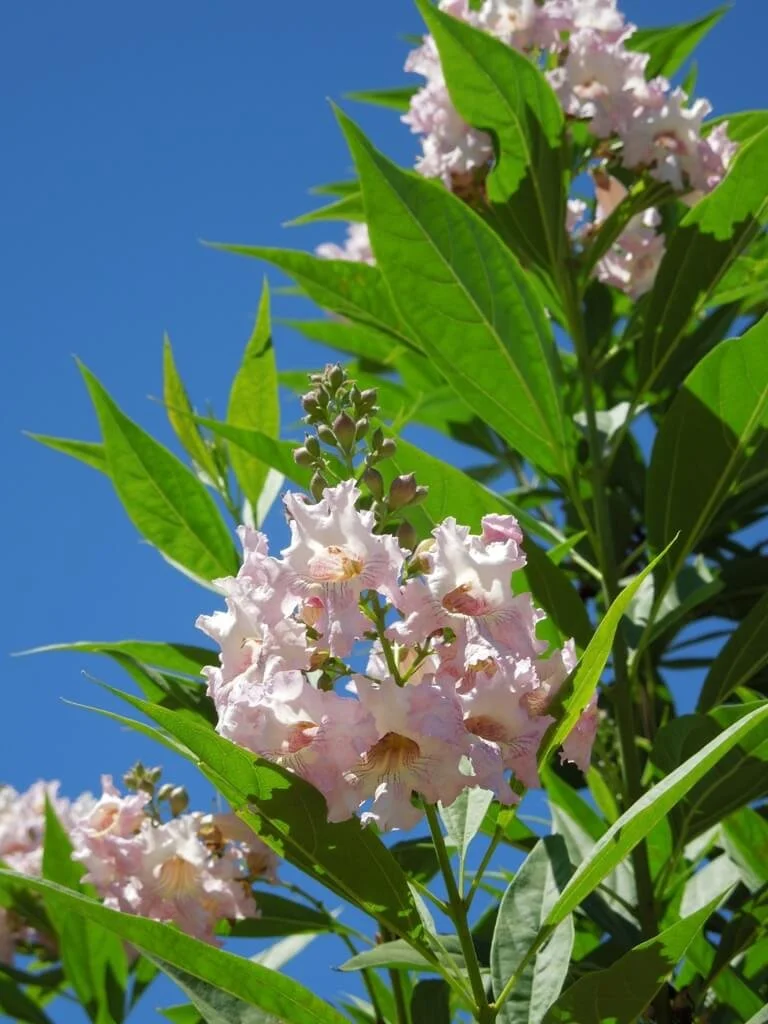
Chitalpa (Chitalpa tashkentensis). Small deciduous accent tree, Showy pink, white, or lavender trumpet-shaped flowers, Attracts bees, butterflies and hummingbirds, Drought tolerant and low maintenance.
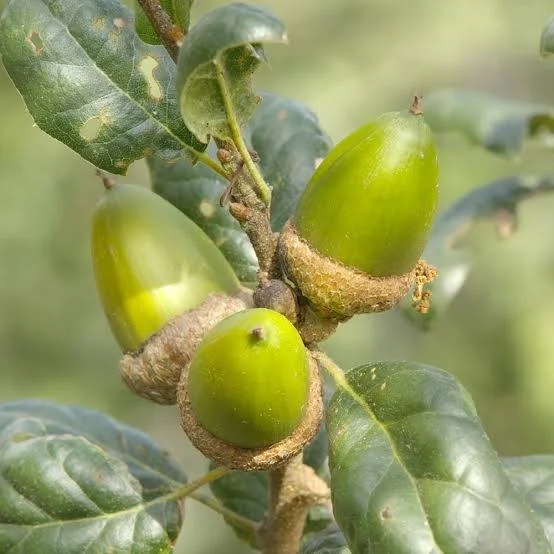
Coast Live Oak (Quercus agrifolia). Iconic native California tree, Evergreen, Large, beautiful canopy, Deep roots, Drought tolerant, Habitat for owls and birds, Symbolizes resilience and strength.
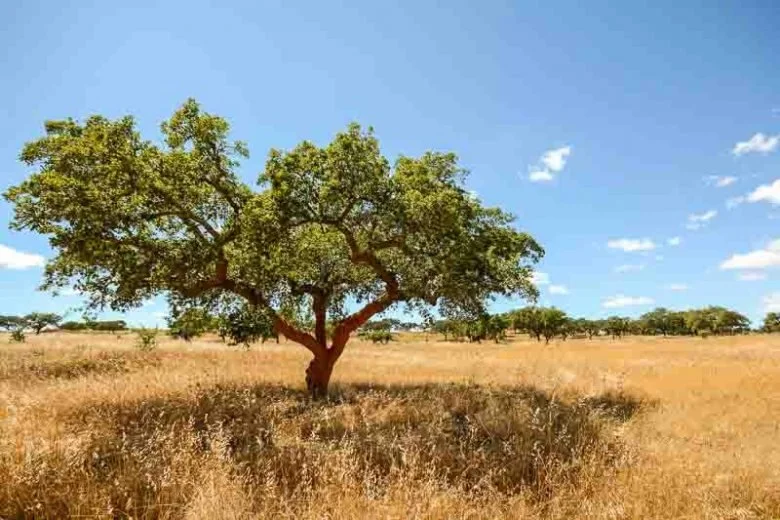
Cork Oak (Quercus suber). Hardy, drought tolerant Mediterranean tree, Evergreen, Spongy bark is used to make corks, Shelter for birds and insects, Symbolizes renewal and sustainability.
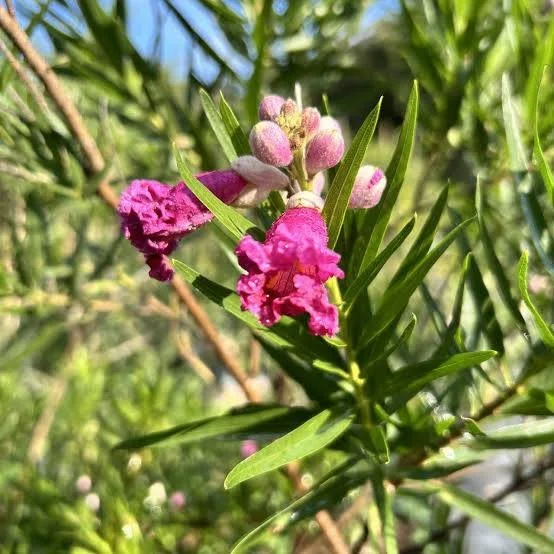
Desert Willow (Chilopsis linearis). Small elegant, flowering accent tree, Native to California, Trumpet shaped flowers of pink, purple or white, Blossoms are rich with nectar attracting pollinators, Highly drought tolerant.
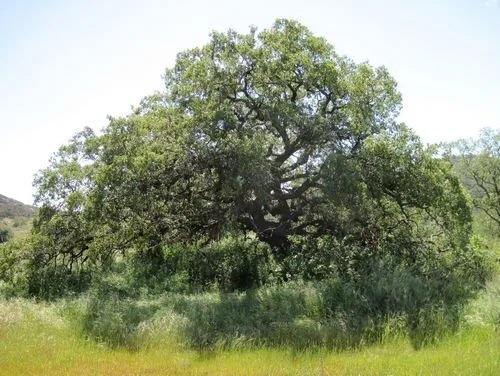
Engelman Oak (Quercus engelmannii). Rare, Southern California native oak, Soft, blue-green leaves, Low broad canopy provides cooling shade and habitat for wildlife, Slow-growing, Drought-tolerant, Long-lived.
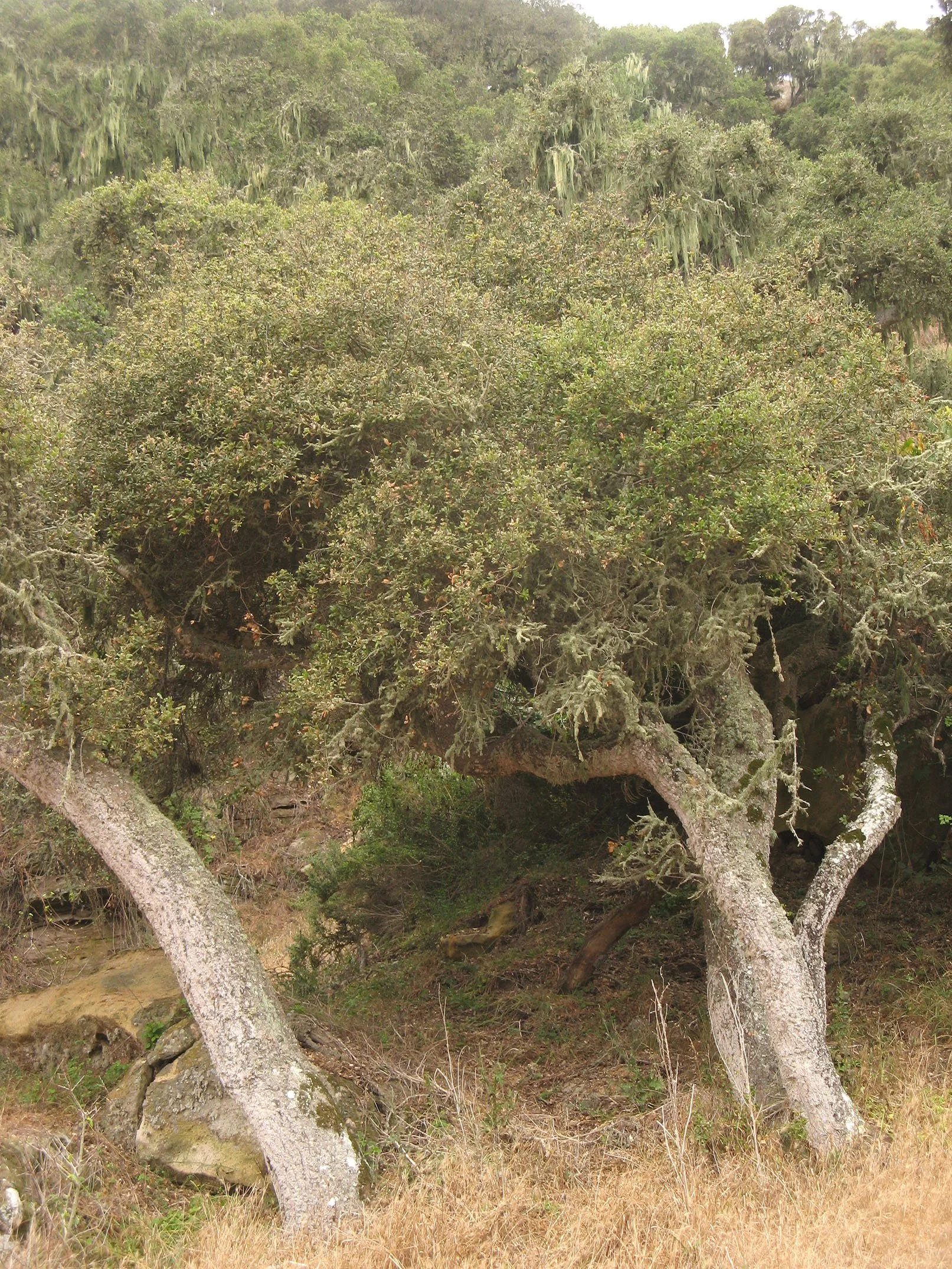
Island Oak (Quercus tomentella). Native California oak with large leaves, Grows naturally on Channel Islands, Tall and graceful with spreading canopy, Evergreen, Holds moisture in dry climates, Habitat for birds and wildlife.
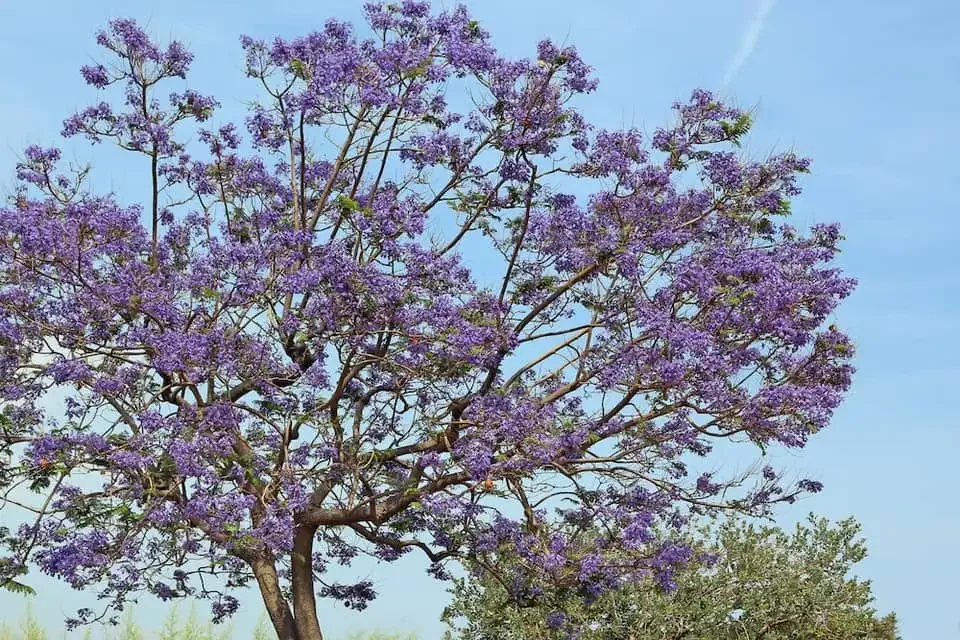
Jacaranda (Jacaranda mimosifolia) Southern California icon, Canopy of lavender flowers, Native to South America, Requires moderate water, Drought tolerant once established, Attracts pollinators, Many survived the Palisades fire.
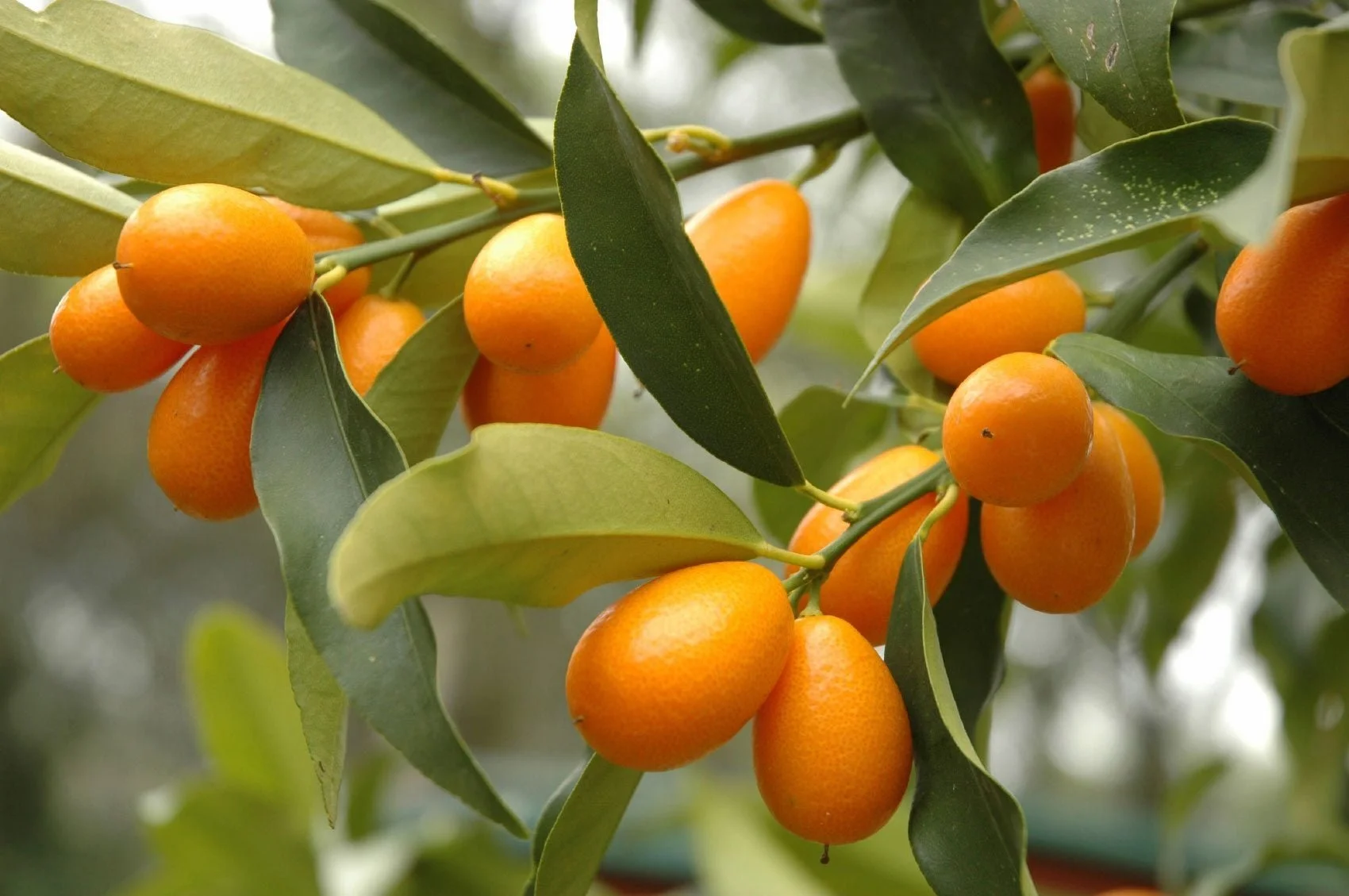
Kumquat (Citrus japonica). Small citrus tree with small, bright orange, sweet-tart fruits that can be eaten whole. Compact and evergreen, Fragrant white blossoms, Brings color in the winter.
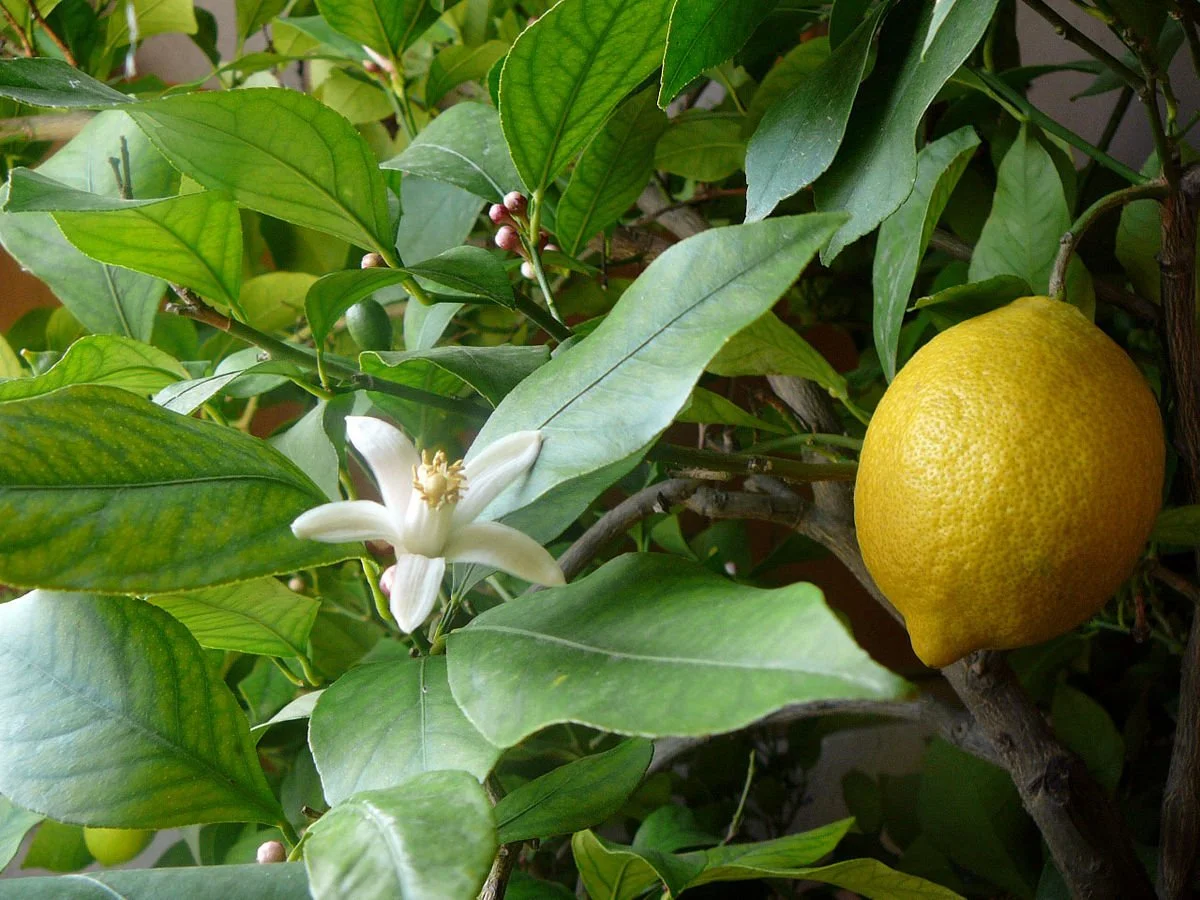
Lemon (Citrus limon). Classic Southern California fruit tree, Bright yellow fruit, Fragrant blossoms attract bees, Shiny evergreen leaves, Small to medium in size.
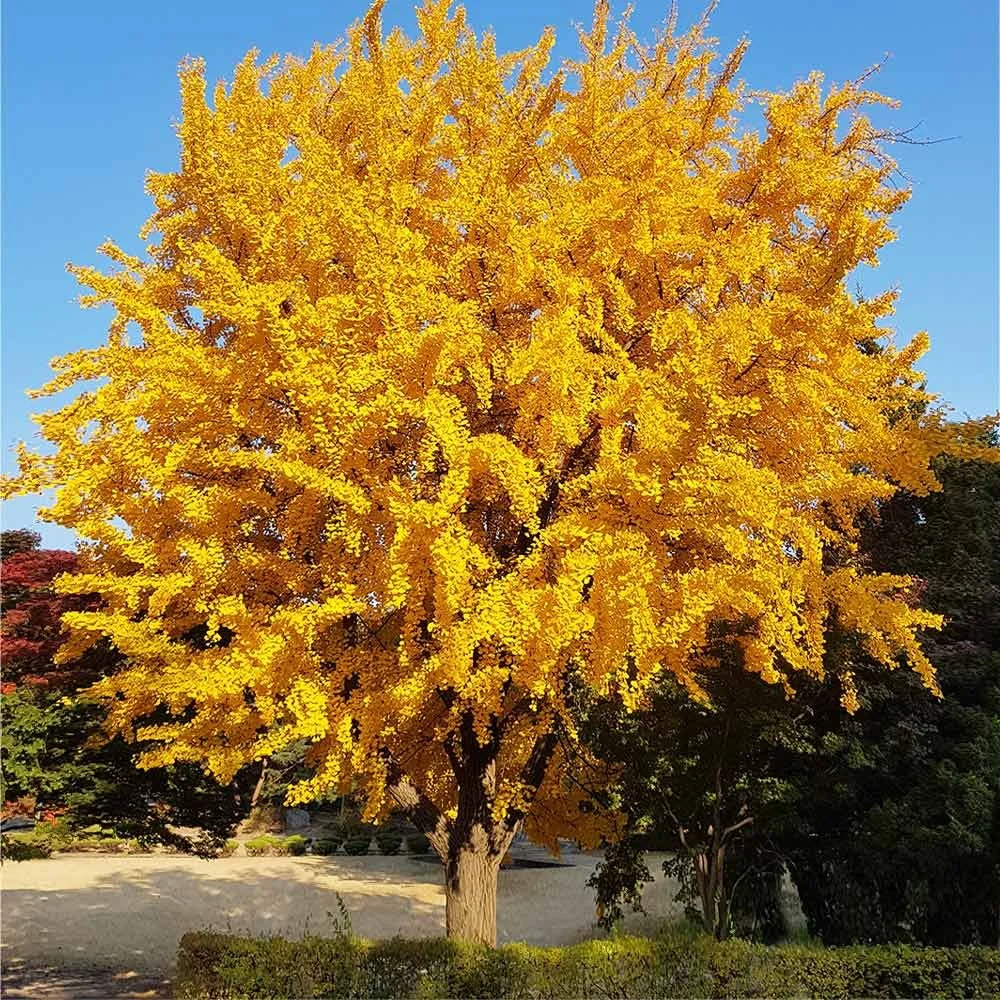
Maidenhair Tree (Ginkgo biloba). One of the world’s oldest species, Native to China, Known for golden yellow fan-shaped leaves, Beautiful canopy, Deciduous, Symbolizes resilience, Male trees have no odor.
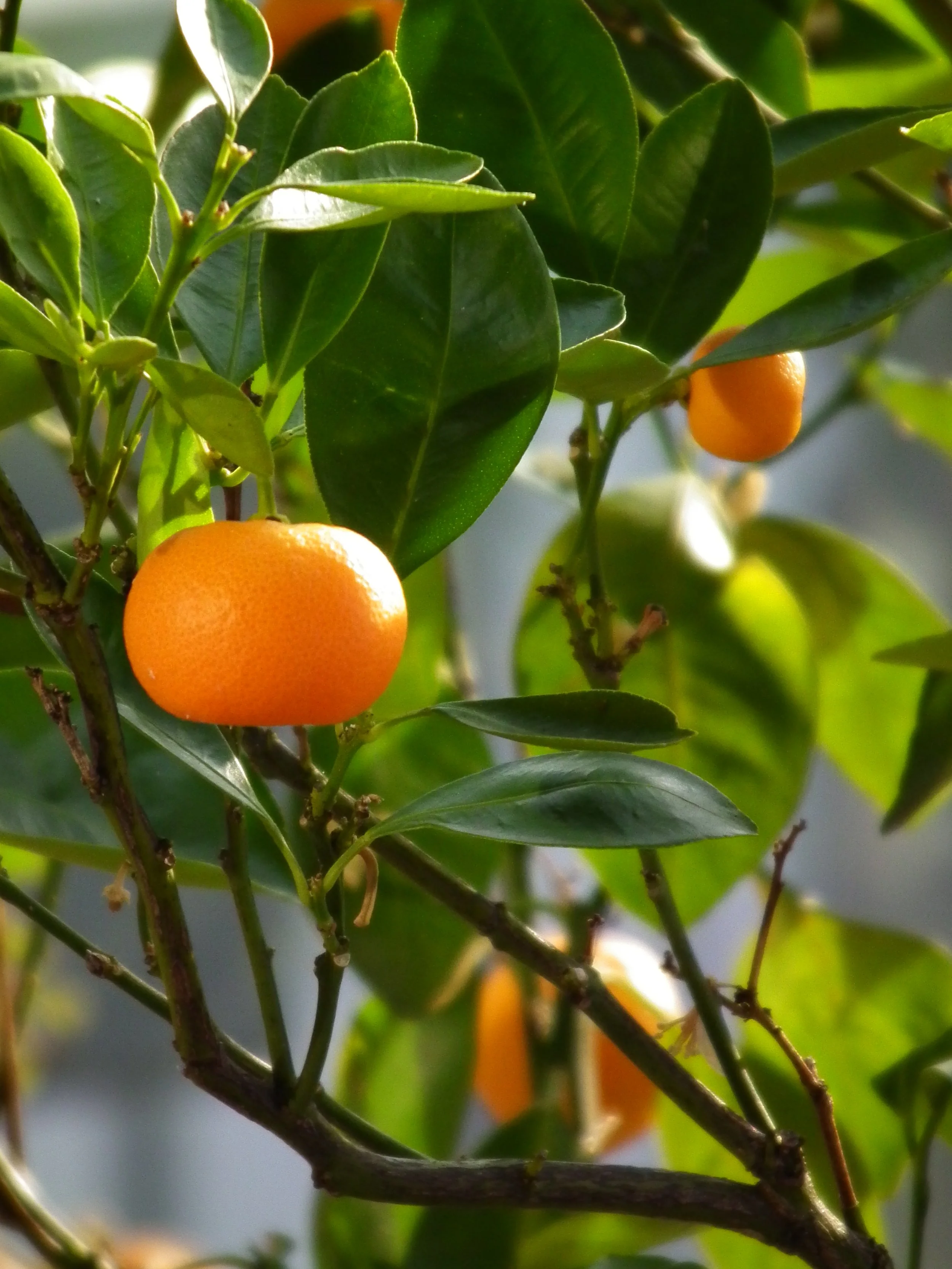
Mandarin (Citrus reticulata). Small citrus tree known for its easy-to-peel, bright orange, sweet and fragrant fruit, Glossy, deep-green leaves.
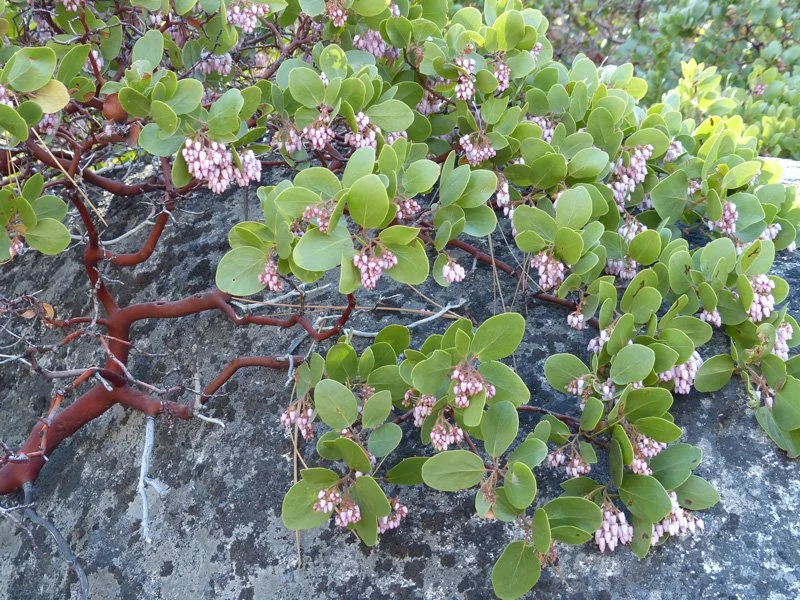
Manzanita (Arctostaphylos manzanita). Striking California native small tree, Smooth, deep red bark with structural shape, Evergreen, Bell-shaped pink or white flowers which become red berries, Drought tolerant, Attract pollinators, Provide food for wildlife, Resilient.
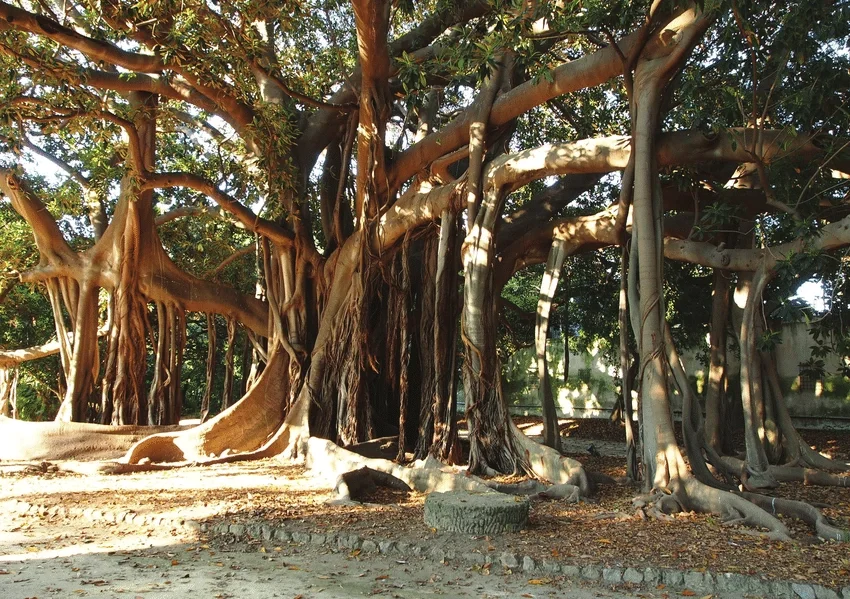
Moreton Bay Fig (Ficus macrophylla). Majestic evergreen for large parks, Massive canopy, Impressive above ground roots, Native to Australia, Strong, grounding and visually magnificent.
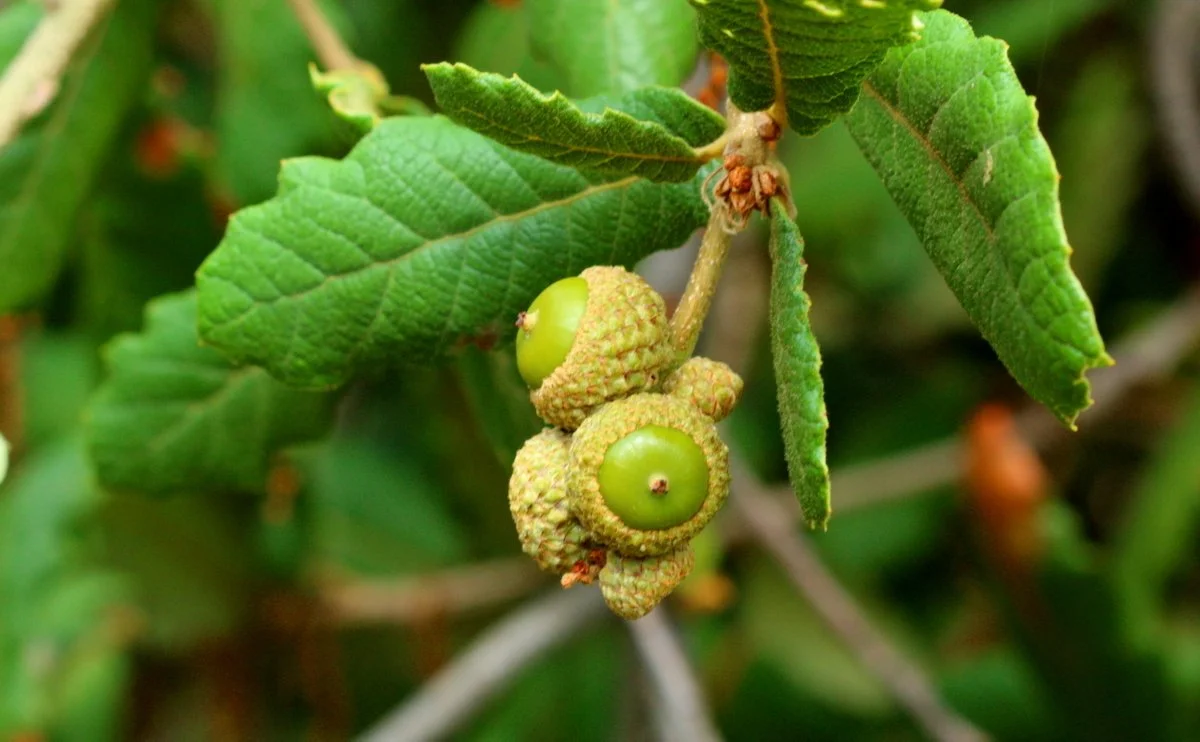
Netleaf Oak (Quercus rugosa). Sturdy oak with red new growth, Native to Southwestern US and Mexico, Evergreen, Adaptable to future climate, Filters pollutants, Provides shady habitat for birds and wildlife.
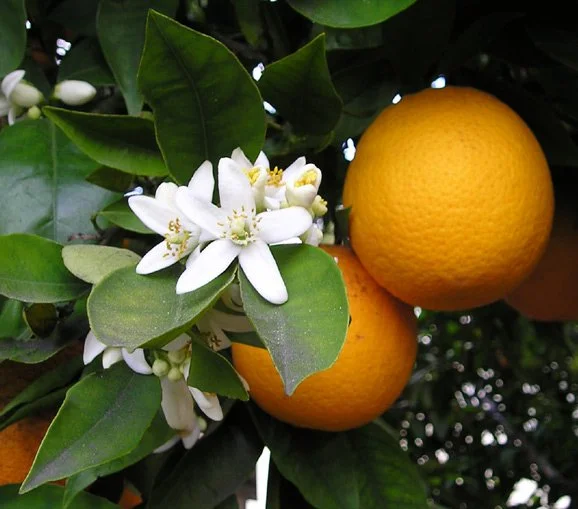
Orange (Citrus sinensis). Beloved California fruit tree, Glossy evergreen leaves, Fragrant white blossoms, Delicious oranges, Beauty, shade, and nourishment.
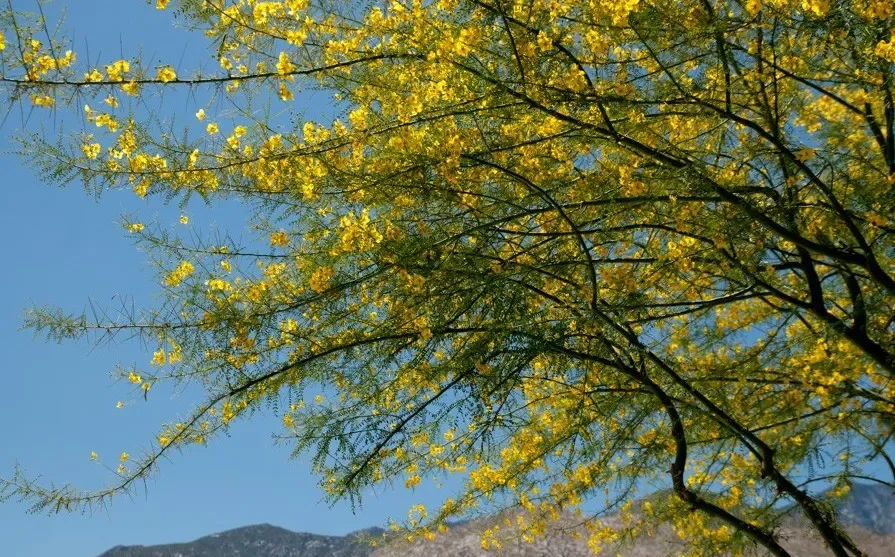
Jerusalem Thorn or Palo Verde (Parkinsonia aculeata)
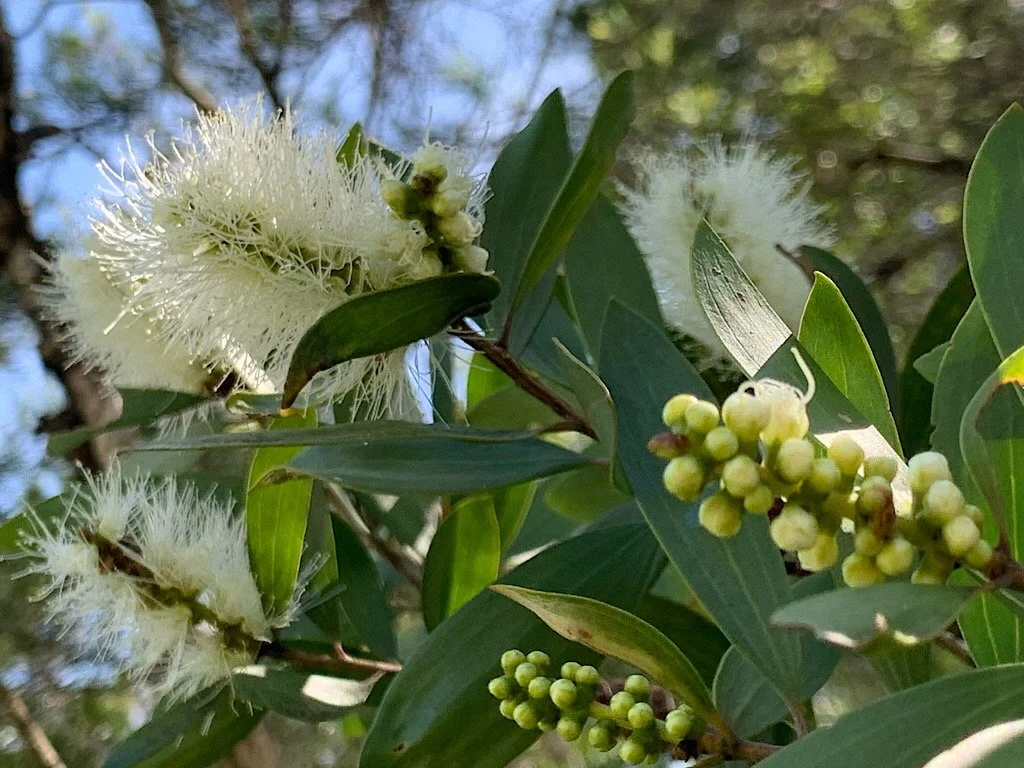
Paperbark (Melaleuca quinquenervia). Hardy and elegant with soft layered bark that peels like paper, Fluffy white flowers that attract bees and birds, Native to Australia, Evergreen, Tolerates long dry spells, Adaptable and resilient.
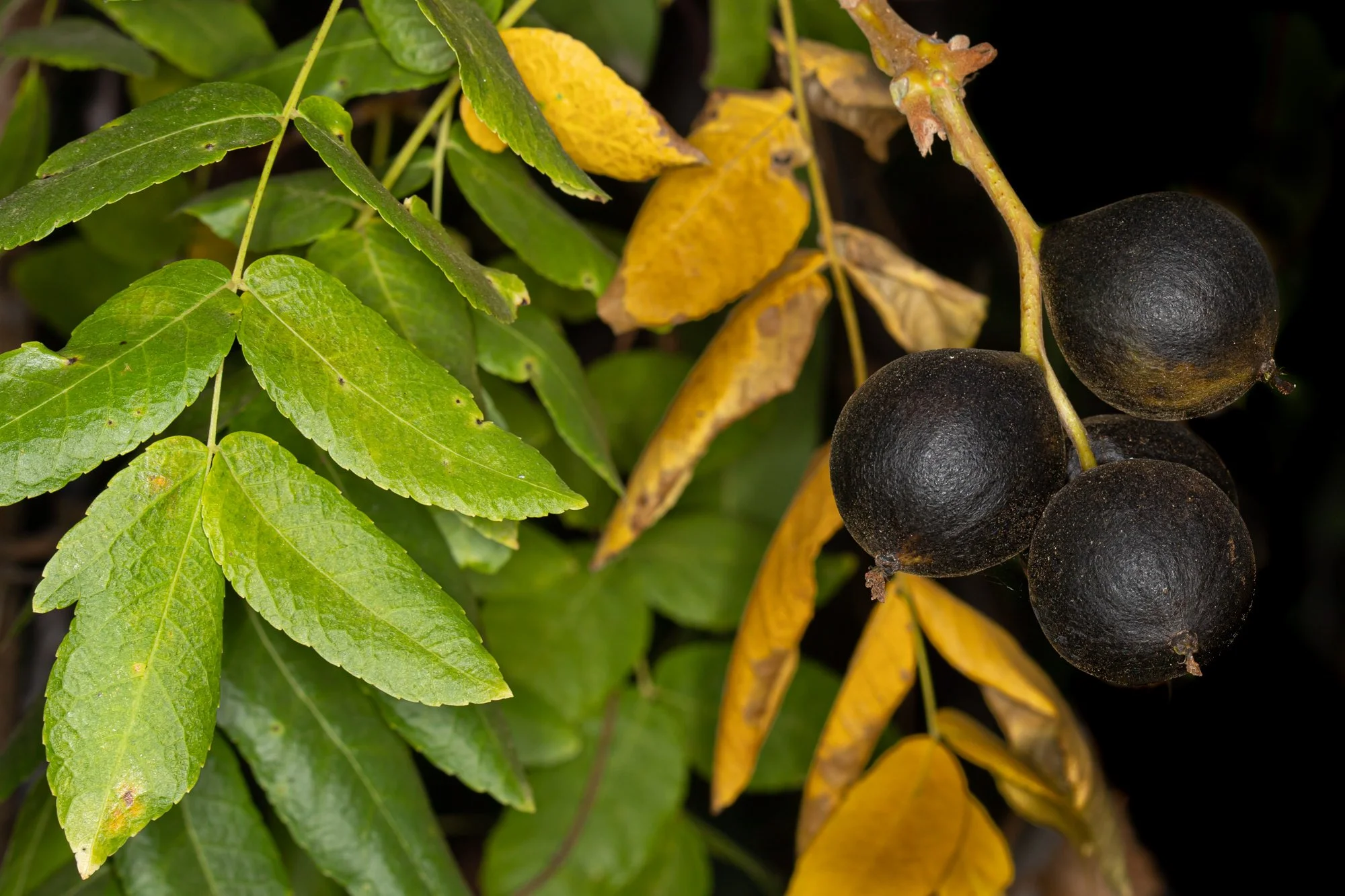
Southern California Black Walnut (Juglans californica). Rare, medium sized native tree found only in California, Creates dappled shade, Deciduous, Produces small walnuts that feed wildlife.
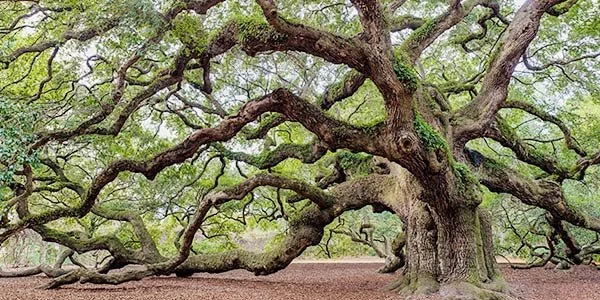
Southern Live Oak (Quercus virginiana). Iconic, large oak native to Southern US, Graceful shape with broad majestic canopy, Home to birds and wildlife, Partly deciduous, Symbolizes strength and longevity.
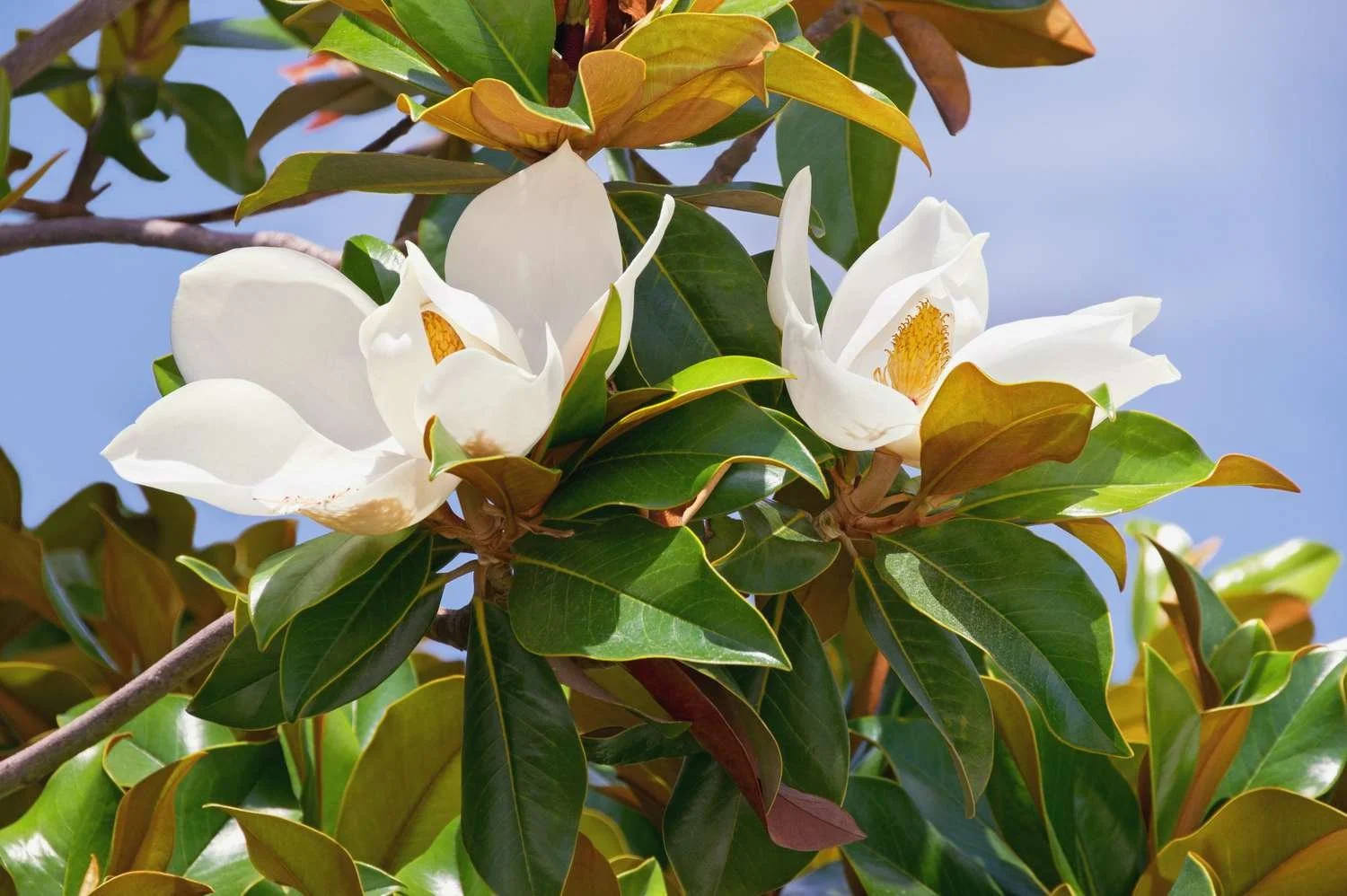
Southern Magnolia (Magnolia grandiflora)
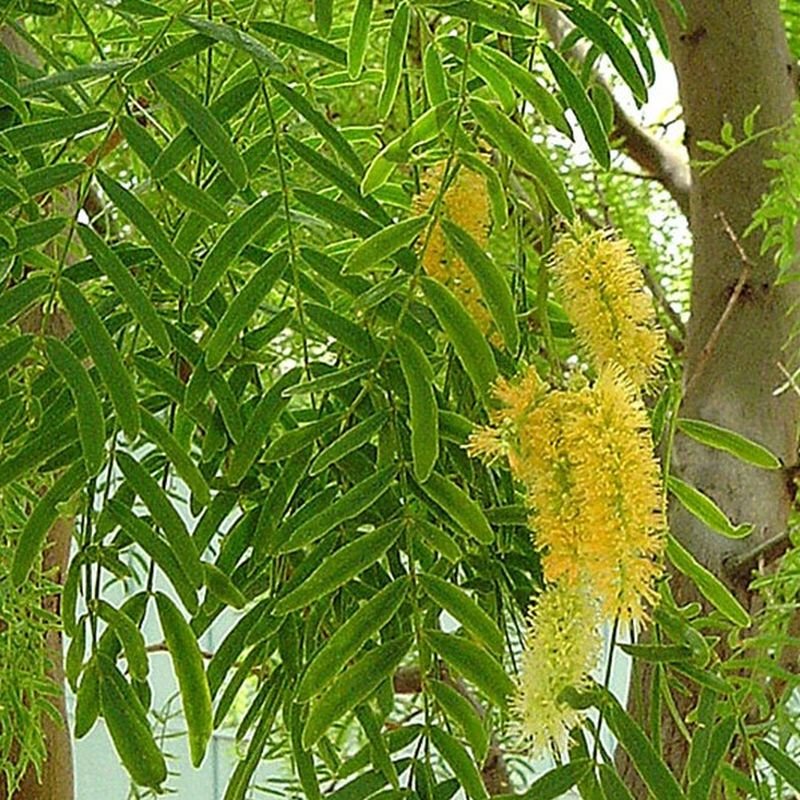
Thornless Honey Mesquite (Prosopis glandulosa 'Maverick'). Native California tree with fern-like leaves and airy canopy, Small yellow flowers attract birds and pollinators, Deciduous, Thrives in hot, dry climates, Drought tolerant.
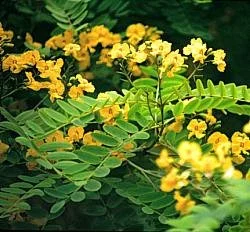
Tipu Tree (Tipuana tipu). Fast-growing, drought-tolerant shade tree native to South America, Graceful, spreading canopy, Golden-yellow flowers, Deciduous, Deep Root System, Resilient.
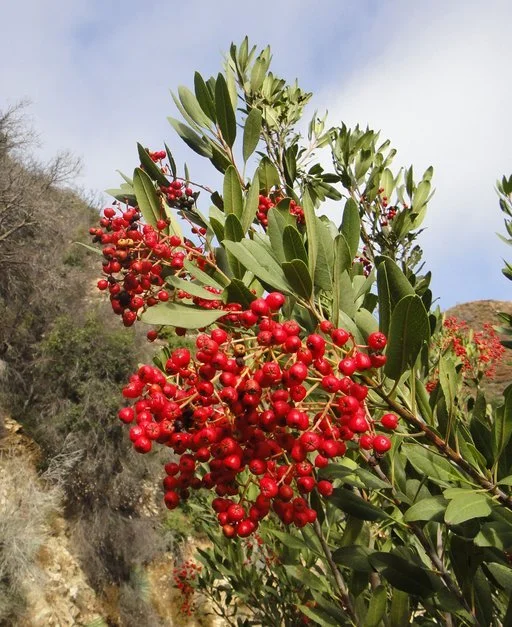
Toyon (Heteromeles arbutifolia). Native to California, Grows wild in Southern California parks, White flowers in summer, red berries in fall and winter, Evergreen, Drought tolerant, Feeds wildlife and attracts pollinators.
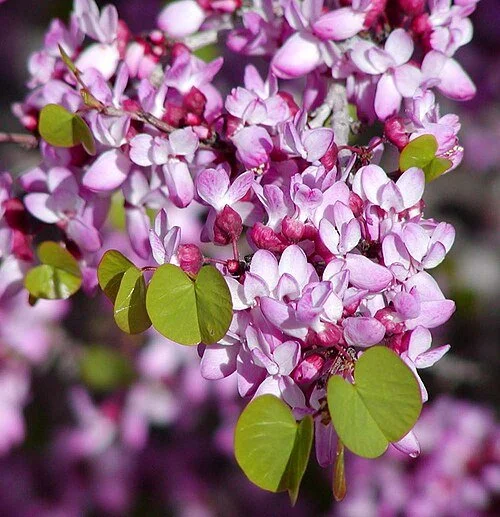
Western Redbud (Cercis occidentalis). Small, stunning California native, Brilliant pink blossoms, Heart shaped green leaves turn golden yellow in the fall, Deciduous.
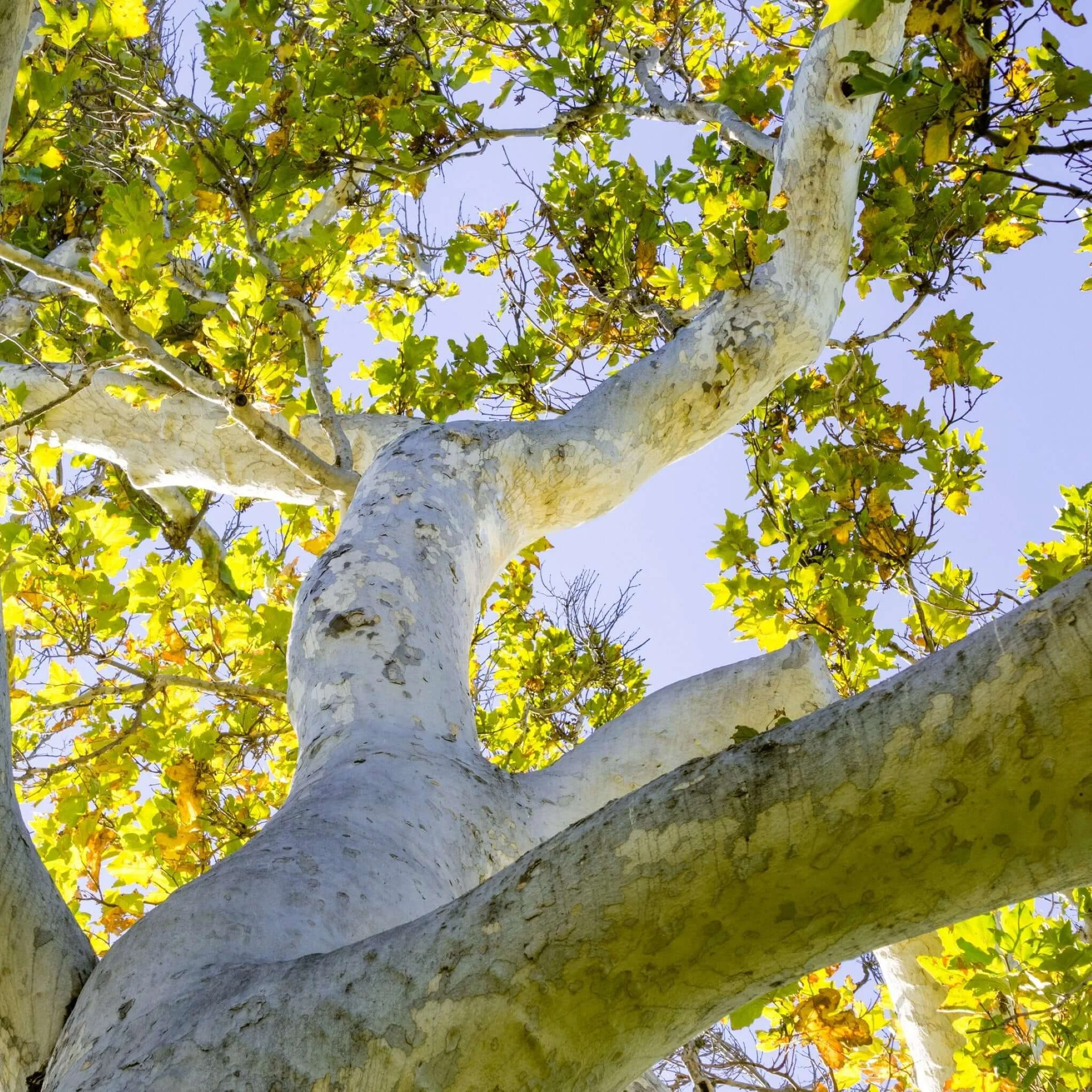
Western Sycamore (Platanus racemosa). Large native California tree known for striking, mottled bark and broad, spreading canopy, Leaves turn beautiful golden hue in the fall, Deciduous, Likes to be near a water source.